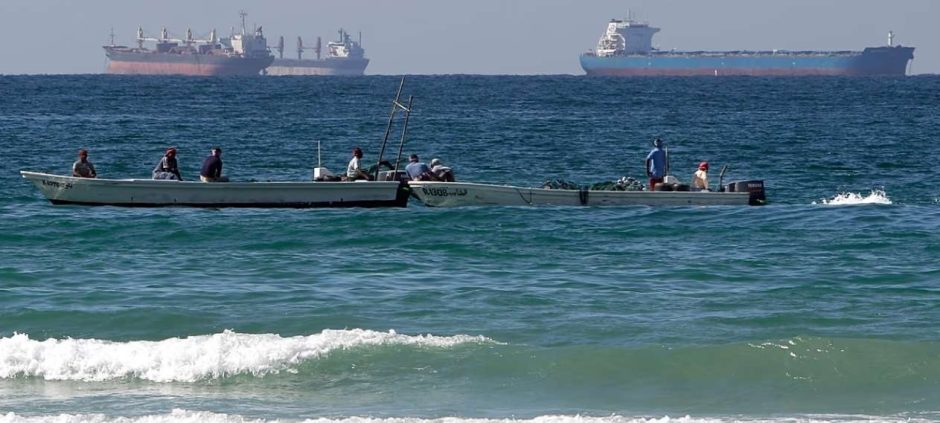
Oil prices extended their gains on Friday as renewed uncertainty over the future of the Strait of Hormuz raised concerns about global energy supplies, despite ongoing diplomatic efforts involving Iran and Oman.
Brent crude futures rose 99 cents, or 1.2%, to $83.48 per barrel, while US West Texas Intermediate (WTI) crude gained 85 cents, or 1.1%, to trade at $78.84 per barrel.
The latest increase followed Thursday’s sharp rally, when both oil benchmarks climbed by more than $3 per barrel after reports that Iran was considering legislation to ban US and Israeli vessels from using the Strait of Hormuz, one of the world’s most important oil shipping routes.
According to Iranian media, a parliamentary committee is reviewing a draft bill that would prohibit vessels considered hostile from entering the strait. The proposal also includes fines of up to 20% of cargo value for ships violating the restrictions.
Reports also suggested that Iran is seeking transit fees of between 5% and 7% of cargo value for vessels using the waterway, while Oman is discussing a fee of around 3%. The United States has reportedly opposed any transit charges.
Market analysts said investors remain cautious despite signs of diplomatic progress. They noted that previous temporary agreements failed to restore normal shipping activity, leaving traders skeptical about the prospects of a lasting solution.
Industry sources also warned that the proposed arrangements could be difficult to implement due to existing US sanctions and insurance restrictions affecting international shipping companies.
Meanwhile, Yemen’s Iran-backed Houthis claimed responsibility for missile and drone attacks targeting Saudi-backed forces in Yemen’s Marib and Hadramout provinces, adding to concerns over regional stability.
US President Donald Trump, however, told reporters that he believes the conflict could end soon, expressing optimism that the ongoing war would not continue for much longer.
Also read: Oil Climbs 2% as US-Iran Tensions Intensify