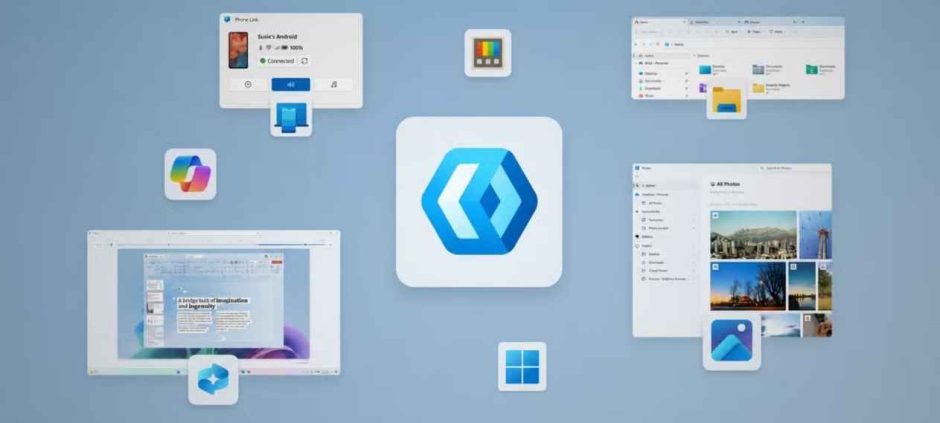
Microsoft is changing the way it develops the technology used for modern Windows 11 applications.
The company has moved its main WinUI development to GitHub. This allows developers and users to see the framework’s progress publicly.
Developers can now follow code changes, reviews and other updates on the platform. The move provides greater visibility into Microsoft’s development process.
WinUI is a framework used to build modern interfaces for Windows applications. It supports several design features associated with the Windows 11 experience.
WinUI Brings Modern Windows Design
WinUI is built around Microsoft’s Fluent Design approach. It supports features such as rounded corners and dark mode.
The framework also supports modern animations and other visual improvements. These features help developers create applications that match the Windows 11 interface.
Microsoft has already introduced WinUI in several parts of Windows 11.
The technology is used in areas such as Settings and the Microsoft Store. Notifications and parts of File Explorer have also adopted the newer framework.
The company is gradually replacing older interface elements with updated designs.
This transition aims to provide a more consistent visual experience across Windows 11.
Microsoft Makes Development More Open
Microsoft says its primary WinUI development now happens publicly on GitHub.
Developers can monitor new code and follow ongoing changes. They can also see reviews and updates during the development process.
The open approach could help developers better understand Microsoft’s plans for Windows applications.
It may also help developers prepare their own software for future Windows design changes.
However, the shift does not mean all Windows applications will immediately use WinUI.
Different applications continue to use various technologies. Some Microsoft products also remain heavily dependent on web-based development.
Web Technology Remains Widely Used
Microsoft and other software companies have increasingly used web technologies for desktop applications.
Web-based development can offer flexibility and help developers share technology across platforms.
However, some web-based applications can use considerable memory and system resources.
Users have raised concerns about resource usage in several applications.
Microsoft has faced similar criticism involving products such as Teams and Weather.
The renewed focus on WinUI may provide another option for building Windows applications.
It could also support greater use of technologies designed specifically for the Windows platform.
Teams and Outlook Still Rely on Web Technology
The renewed WinUI development does not mean Microsoft is ending its use of web technologies.
Major products such as Microsoft Teams continue to rely heavily on web technology.
The new Outlook application also uses web-based technology extensively.
Therefore, WinUI will not immediately replace existing development approaches across Microsoft’s product range.
Instead, the company appears to be strengthening its native framework for modern Windows applications.
The open development model could make WinUI’s future progress easier to follow.
It may also encourage more developers to adopt Microsoft’s modern Windows design standards.
In other related news also read Microsoft-Backed Arbor Makes AI Agents Smarter
Overall, Microsoft is giving developers greater insight into WinUI development. The move could shape how future Windows 11 applications are designed and built.