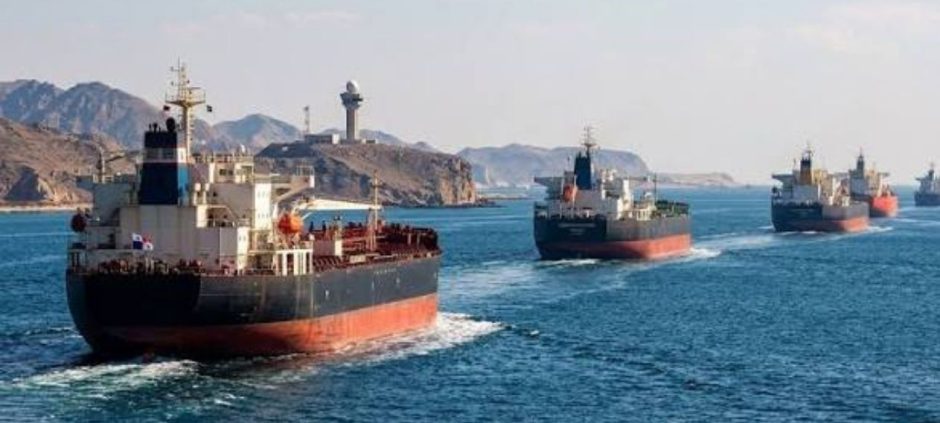
Global oil prices continued to decline on Thursday as exports through the Strait of Hormuz returned to normal levels. The resumption of shipments eased concerns about supply disruptions and added downward pressure on crude prices.
The Strait of Hormuz is one of the world’s most important energy routes. Any disruption in this waterway can significantly affect global oil supplies and international energy markets.
Following the restoration of exports, crude prices moved lower during Thursday’s trading session. Analysts said the increase in available supply has improved market confidence.
At the time of reporting, crude oil from reserves operated by the United Arab Emirates was trading at $64.4 per barrel. The price had declined by nearly 2 percent over the previous 24 hours.
Brent and WTI Extend Losses
International benchmark Brent crude also recorded losses during the session.
Brent crude fell by $1, or 0.9 percent, to approximately $70 per barrel.
Meanwhile, US West Texas Intermediate (WTI) crude dropped by $1, or 1.4 percent, to around $67.7 per barrel.
The decline reflects improving supply conditions after shipping activity through the Strait of Hormuz returned to pre-war levels.
Oil Shipments Resume
Latest terminal data showed that oil exports through the strategic waterway have normalized.
Millions of barrels that had remained delayed because of recent disruptions have now cleared the route.
The clearing of this backlog has increased the amount of crude reaching international markets.
Analysts believe the higher supply has reduced fears of immediate shortages and helped stabilize global energy trade.
The reopening of normal traffic through the Strait of Hormuz has also lowered concerns about prolonged shipping delays.
Regional Talks Continue
Reports indicate that technical-level discussions under Pakistan and Qatar-led mediation efforts have completed their first phase.
The talks are aimed at finding a lasting solution to the regional conflict.
Although negotiations are still ongoing, markets have responded positively to the improvement in shipping conditions.
Investors continue to monitor both diplomatic developments and oil supply levels.
Market Outlook
Analysts expect oil prices to remain under pressure in the short term.
They believe prices could continue declining until the remaining backlog of delayed shipments has been fully cleared.
If exports continue without interruption, both Brent and WTI crude could fall below $65 per barrel in the coming weeks.
In other related new also read Tehran Warns US Forces against Strait of Hormuz Intervention
The latest market movement highlights the importance of the Strait of Hormuz in global energy trade. Stable operations through the waterway continue to influence crude oil prices, investor confidence, and international supply chains. As shipments return to normal, markets will closely watch future developments that could affect production and transportation across the region.