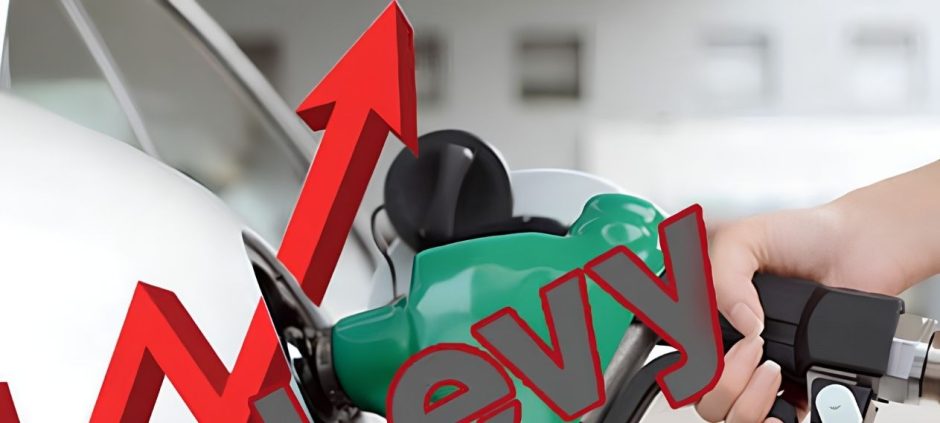
The federal government collected Rs1,576 billion in petroleum levy from consumers during fiscal year 2025-26, marking a significant 29% increase compared with the previous year, according to data released by the Ministry of Finance.
The sharp rise in petroleum levy collections comes as Pakistan continues to implement revenue and fiscal measures under its agreement with the International Monetary Fund (IMF).
According to official figures, the government collected more than Rs356 billion in additional petroleum development levy during the fiscal year. In the previous fiscal year, petroleum levy collections stood at around Rs1,220 billion.
The latest figures highlight the growing contribution of petroleum-related taxes and levies to the government’s revenue collection, particularly as authorities seek to strengthen public finances.
Additional Revenue From Customs and Carbon Levy
Besides the petroleum levy, the federal government also collected around Rs26 billion through customs duty and carbon levy during the fiscal year.
The additional collections came amid broader efforts to increase government revenues and meet fiscal targets agreed under Pakistan’s economic reform programme.
Petroleum prices and related levies have remained an important source of revenue for the government, with consumers bearing a significant portion of the taxation imposed on fuel products.
Federal Expenditure Reaches Rs15.28tr
The Ministry of Finance also reported a substantial increase in federal government expenditure during fiscal year 2025-26.
Total federal expenditure reached Rs15,282 billion during the year, reflecting the scale of government spending across different sectors.
Pakistan recorded a fiscal deficit of Rs4,763 billion during the fiscal year, equivalent to 2.6% of the country’s gross domestic product (GDP).
The deficit remains a key indicator of the government’s financial position as authorities continue efforts to improve fiscal management and strengthen revenue collection.
Provinces Receive Rs7.66tr Under NFC
According to the Ministry of Finance data, Pakistan’s provinces received Rs7,668 billion under the National Finance Commission (NFC) award during fiscal year 2025-26.
The NFC mechanism determines the distribution of federally collected revenues between the federal government and provinces.
The transfers represent a major component of provincial finances and help fund public services, development programmes and other government expenditures at the provincial level.
Defence Spending Rises 18%
Defence expenditure also recorded a significant increase during the fiscal year.
Ministry of Finance figures showed that defence spending rose by 18% to Rs2,588 billion in 2025-26.
The increase comes as Pakistan continues to allocate substantial resources toward national defence and security requirements.
Meanwhile, government spending on subsidies declined during the period.
Subsidy expenditure fell by 22%, dropping from around Rs1,300 billion to Rs1,001 billion.
The reduction indicates a significant decline in government spending under various subsidy programmes compared with the previous fiscal year.
Development Spending Also Declines
Development expenditure also decreased during fiscal year 2025-26.
According to official data, development spending fell from Rs786 billion in the previous fiscal year to Rs727 billion.
The decline comes despite continued pressure on the government to maintain development spending and support economic growth.
The latest fiscal figures present a mixed picture of Pakistan’s public finances, with petroleum levy collections rising sharply while development expenditure and subsidies declined.
The government’s ability to maintain revenue growth while controlling expenditure is expected to remain a key focus as Pakistan continues implementing fiscal reforms under its IMF commitments.
Also read: Govt Plans Another Hike in Petrol Levy