Pakistan has formally requested a US Exchange Stabilisation Support Facility. The move aims to strengthen foreign exchange stability and support the rupee.
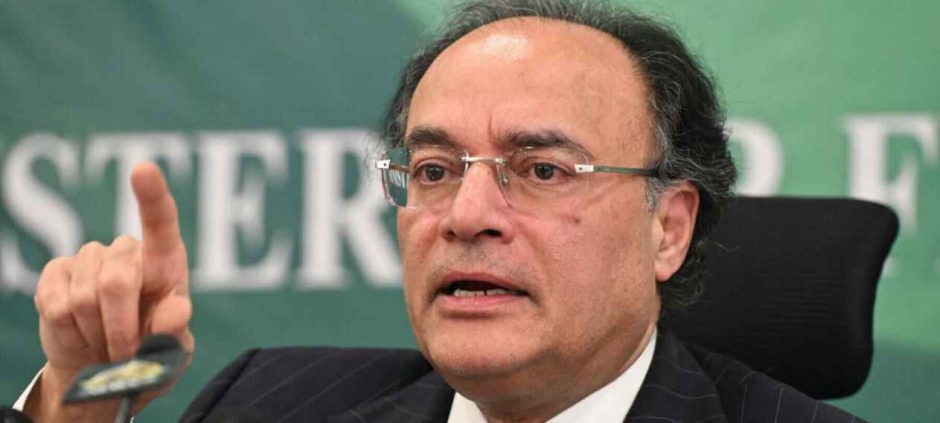
Finance Minister Muhammad Aurangzeb confirmed that discussions with US authorities are ongoing. Pakistan expects feedback from the US Treasury or US Exim Bank by September.
The proposed facility is reportedly worth $10 billion. It would mainly provide a confidence boost for Pakistan’s currency and foreign exchange position.
The facility is not being presented as a conventional loan alone. Instead, it could act as a financial backstop for Pakistan’s reserves and currency stability.
The government believes stronger foreign exchange support could improve investor confidence. It could also help Pakistan regain wider access to international capital markets.
Pakistan is working to reduce its dependence on repeated bilateral loan rollovers. The government plans to move toward longer-term, market-based financing.
Finance Minister Aurangzeb said Pakistan is preparing financing through longer maturities. These could include five-year, seven-year and 10-year instruments.
The government is also discussing longer repayment periods for existing bilateral loans. Officials are exploring options to extend some maturities to as long as 10 years.
Pakistan is holding discussions with the US Exim Bank and other financial institutions. These talks are part of a broader strategy to diversify the country’s financing sources.
The government also wants to improve Pakistan’s sovereign credit rating. Aurangzeb said efforts are underway with international rating agencies.
A stronger credit rating could make international borrowing easier and more affordable. It could also help Pakistan secure financing with longer repayment periods.
Pakistan has already taken steps toward returning to international debt markets. These efforts include a Eurobond, an Islamic Sukuk and a dollar-settled rupee-linked bond.
The proposed US facility could therefore support Pakistan’s wider financing strategy. It may also reduce pressure caused by short-term external financing requirements.
Pakistan remains under a $7 billion International Monetary Fund program. The program requires the country to implement fiscal and structural reforms.
The country has also relied on bilateral rollovers and deposits from international partners. These arrangements have supported foreign exchange reserves during periods of financial pressure.
The US request comes as Pakistan seeks greater economic self-reliance. US Treasury officials have also welcomed Pakistan’s efforts toward economic reforms and capital market access.
However, the proposed facility has not yet been approved. Negotiations remain underway between the two sides.
Pakistan is now awaiting further feedback from US authorities. Any agreement could influence the country’s foreign exchange position and financing options.
In other related news also read Pakistan Condemns Israeli Attack on Syria
The government’s broader objective is to strengthen economic stability. It also aims to shift toward longer-term market-based financing and reduce reliance on repeated loan extensions.