A proposed peace agreement between the United States and Iran appears to be in its final stages, with Pakistan indicating that an electronic signing ceremony could take place as early as Sunday. However, conflicting statements from Washington and Tehran have created uncertainty over the exact timeline, leaving the future of the anticipated deal unclear.
US President Donald Trump said on social media that an agreement with Iran had been scheduled for signing on Sunday. According to his statement, the proposed deal would lead to the immediate reopening of the Strait of Hormuz, a vital global shipping route that has long been at the center of regional tensions and international energy concerns.
Trump also stated that, if conditions remain peaceful, the United States would move forward with plans to “extract nuclear material” and work alongside Iran and regional partners on a long-term diplomatic framework. While expressing optimism, he noted that Washington still has “alternatives” available if the process does not proceed as expected.
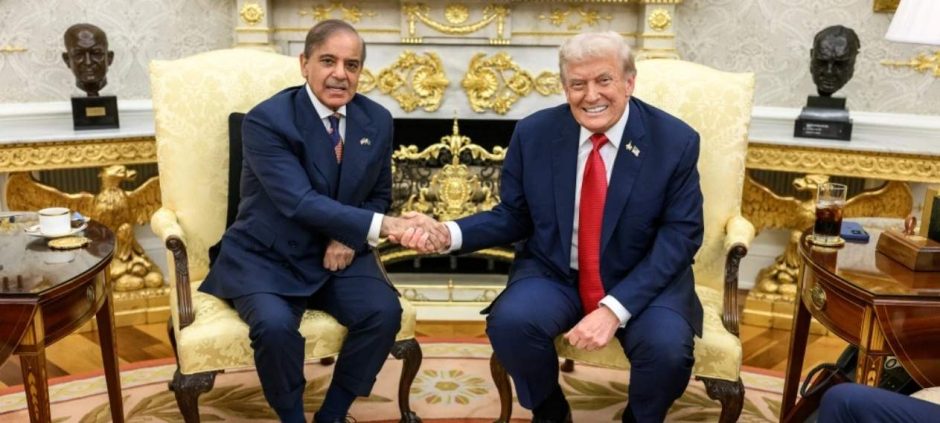
Pakistan has emerged as an active diplomatic player during the latest round of negotiations. Prime Minister Shehbaz Sharif said the U.S.-Iran peace agreement is closer than ever and could be finalized within 24 hours, followed by electronic signatures. Pakistan’s Ministry of Foreign Affairs also confirmed that the draft text of the agreement has been prepared and that an online signing ceremony is expected soon.
The Foreign Office further revealed that Deputy Prime Minister and Foreign Minister Ishaq Dar held separate telephone conversations with Prince Faisal bin Farhan of Saudi Arabia and Swiss Foreign Minister Ignazio Cassis. According to Pakistan, these discussions focused on the final phase of the negotiations, with Islamabad welcoming what it described as encouraging progress toward a diplomatic resolution.
Despite the optimism expressed by Pakistan and the United States, Iran has urged caution. Iranian Foreign Ministry spokesperson Esmaeil Baqaei said the agreement would not be signed on Sunday, adding that while a memorandum of understanding could still be concluded in the coming days, no definite timeline has been finalized. He cited what he described as “hesitation from the other side” and warned against making premature announcements.
Several countries have welcomed the reported progress in the talks and praised Pakistan’s mediation efforts. Switzerland has also been linked to discussions over facilitating or hosting parts of the signing process, although Pakistan’s Foreign Office has denied reports that Ishaq Dar would travel to Geneva. The proposed agreement is being viewed as a potentially significant step toward easing U.S.-Iran tensions, improving regional stability, and enhancing global energy security. However, with different parties offering conflicting accounts of the timetable, the situation remains fluid.
Also read: Pakistan Grants Visas to 737 Indian Sikh Pilgrims