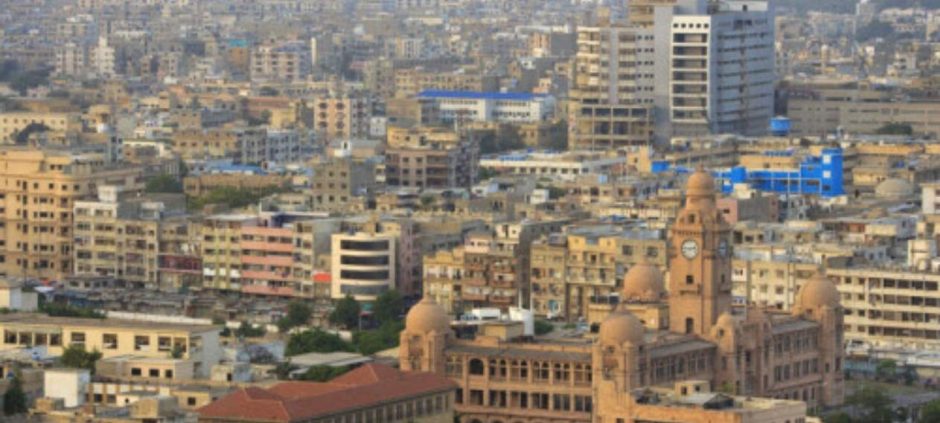
Karachi has once again been ranked among the world’s least-liveable cities, placing 170th out of 173 cities in the Economist Intelligence Unit’s Global Liveability Index 2026.
Pakistan’s largest city ranked near the bottom of the global list, with only Dhaka, Tripoli, and Damascus scoring lower. Cities such as Tehran, ranked 164th, and Kyiv, ranked 166th, performed slightly better than Karachi.
The EIU’s Global Liveability Index assesses living conditions across 173 cities worldwide and is regarded as one of the leading benchmarks for measuring urban quality of life. The index evaluates cities based on stability, healthcare, culture and environment, education, and infrastructure.
Karachi received an overall score of 43 out of 100, matching the score of Algiers. The city recorded weak performance across most categories, with education emerging as its strongest area.
According to the report, Karachi scored 20 in stability, 54 in healthcare, 36 in culture and environment, 75 in education, and 52 in infrastructure.
The Economist Intelligence Unit noted that heavy traffic congestion, crime, and other urban challenges continue to negatively affect the rankings of many large cities. In Karachi’s case, these issues significantly impacted its scores for stability, infrastructure, and overall quality of life.
The report also highlighted that cities in the Middle East experienced declines following the recent conflict involving the United States and Iran. Muscat recorded the biggest drop, falling 14 places to 123rd after Iranian drone strikes. Doha slipped to 108th, while Dubai and Abu Dhabi dropped to 79th and 76th, respectively.
At the top of the rankings, Copenhagen retained its position as the world’s most liveable city. Vienna ranked second, followed by Melbourne in third. Vancouver was the only North American city in the top ten, while Tokyo secured tenth place as the only megacity among the world’s most liveable cities.
Also read: Karachi ranked 4th in most polluted city in the world