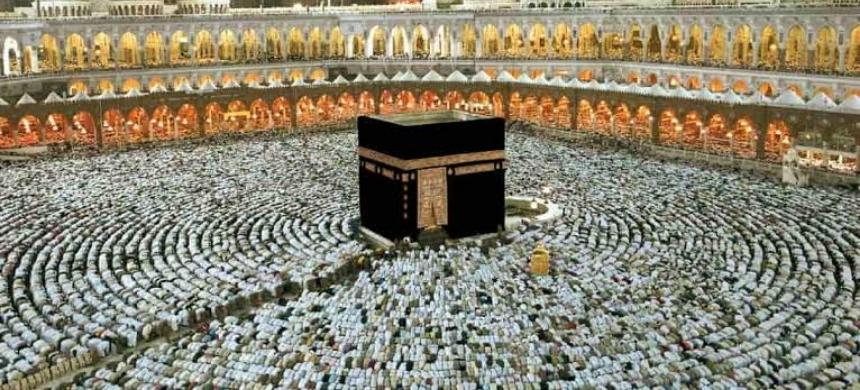
Pakistan’s federal cabinet has approved the country’s first-ever long-term Hajj Policy, introducing a four-year framework that will remain in effect from 2027 to 2030. The landmark decision replaces the previous practice of announcing a new Hajj policy every year and is aimed at improving planning, efficiency, and services for intending pilgrims.
According to a statement issued by the Prime Minister’s Office, the new Hajj Policy is designed to streamline the pilgrimage process while ensuring better management of government and private Hajj operations. Officials said the long-term framework will allow authorities to prepare more effectively and improve facilities for Pakistani pilgrims traveling to Saudi Arabia.
One of the major changes under the policy is the elimination of annual registration. Instead of registering every year, aspiring pilgrims will only need to register once. After completing the registration process, they will be able to choose their preferred Hajj year anytime up to 2030. The government will maintain a priority-based waiting list using these registrations.
The cabinet was informed that the government also plans to introduce a Shariah-compliant Hajj savings scheme. The initiative will enable prospective pilgrims to gradually save money and arrange financing for their pilgrimage expenses over time, making Hajj more financially accessible.
As part of broader reforms, Pakistan is digitizing the entire Hajj system. The upgraded digital framework will feature online payment options, an electronic complaint management system, and digital monitoring to improve transparency and efficiency throughout the process.
The new Hajj Policy also outlines separate quotas for the government and private Hajj schemes. It introduces both long-duration and short-duration pilgrimage packages to provide greater flexibility for travelers.
Additionally, the policy makes mandatory training for pilgrims, Takaful coverage, and emergency response arrangements an integral part of the Hajj process. The federal cabinet also directed authorities to appoint Hajj assistants through a transparent, merit-based selection system.
Although the policy will remain in force until 2030, the government said it may introduce amendments whenever necessary to ensure compliance with Saudi Arabia’s Hajj rules and regulations.
Pakistan has already begun preparations for Hajj 2027. Last month, mandatory registration was launched for intending pilgrims, and according to official figures, nearly 250,000 people completed the process within just 15 days, reflecting strong public interest in the upcoming pilgrimage season.
Also Read: Hajj 2027 Draws Strong Response From Pilgrims Across Pakistan