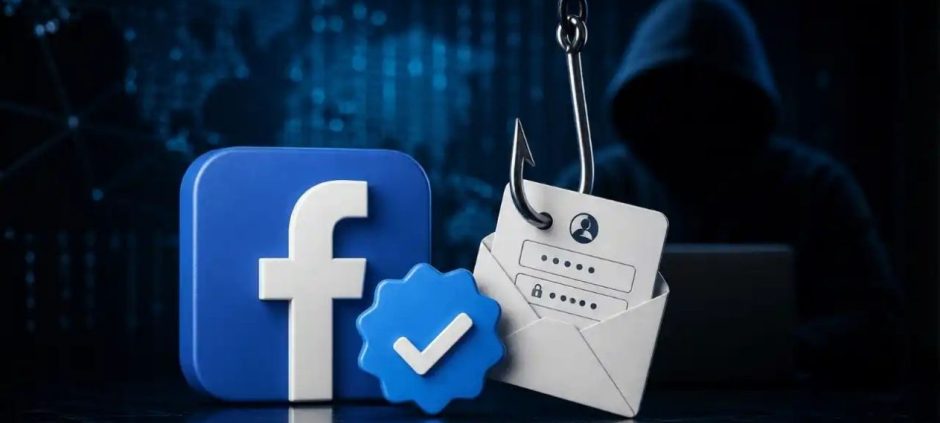
Cybersecurity researchers have warned about a new wave of phishing attacks targeting users on social media platforms. The scams are mainly focused on people trying to get a Facebook Blue Tick.
These fake campaigns offer free verification badges to attract users. The Facebook Blue Tick is widely seen as a symbol of authenticity and credibility. Attackers are using this trust to trap victims.
According to security researchers at Guardio, more than 30,000 accounts may already be affected. Many of these accounts include creators, businesses, and high-value users.
The attackers are reportedly linked to a Vietnam-based cybercrime group. This group is known for hijacking social media accounts and reselling them later.
One major tactic involves sending phishing emails through trusted services. Instead of fake domains, attackers are using Google AppSheet to send messages. This makes the emails look more legitimate.
Because the emails appear to come from trusted systems, users are more likely to click them. Many victims believe they are related to the Facebook Blue Tick verification process.
The scams use different methods to trick users. Some emails warn about account suspension due to policy violations. Others falsely promise a free Facebook Blue Tick without any subscription.
Users who click on these links are redirected to fake login pages. These pages imitate official verification systems and include CAPTCHA tests.
During this process, victims may unknowingly enter login credentials. They may also reveal two-factor authentication codes, giving attackers full access.
Researchers also found advanced evasion techniques. Attackers use hidden characters in email addresses to avoid detection. This helps them bypass security filters while appearing normal.
Security experts warn that interest in the Facebook Blue Tick has made these scams more effective. Many users are unaware of how verification actually works.
Authorities are advising users to stay alert and avoid suspicious links. They recommend verifying all messages through official platforms before taking action.
Experts say users should never share login details or authentication codes. This is especially important when dealing with offers related to the Facebook Blue Tick.
In other related news also read How To Animate Your Facebook Profile Picture
The investigation is still ongoing, and users are urged to remain cautious to protect their accounts.