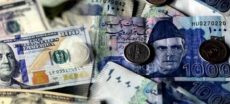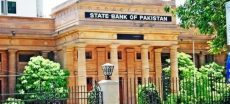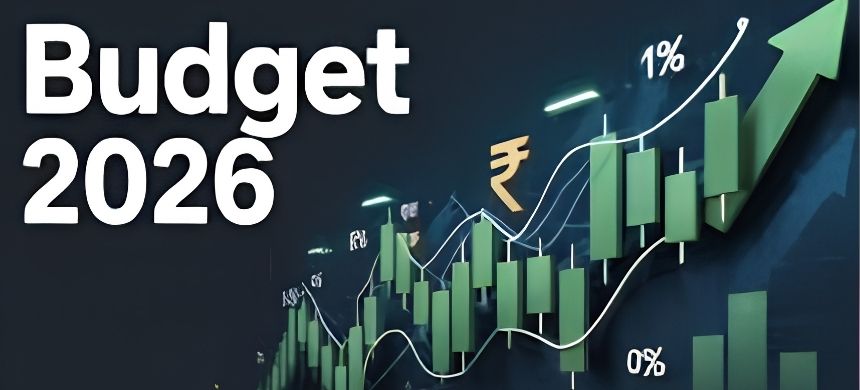
ISLAMABAD: Pakistan is set to unveil the Budget 2026–27 next week amid growing public concern over possible inflationary pressures and new taxation measures linked to ongoing reforms supported by international lenders. With many households already facing high living costs, expectations surrounding the upcoming budget remain high.
Economic uncertainty has also increased following recent regional tensions and disruptions in global energy markets, which contributed to rising fuel prices. As a result, many consumers are worried that the Budget 2026–27 could bring additional increases in the cost of living.
Several sectors are expected to be affected by the new fiscal measures. Fuel and energy prices may come under further pressure due to proposed increases in petroleum and carbon levies, while adjustments to electricity and gas subsidies could also impact utility bills.
Renewable energy and transportation sectors may experience significant tax changes. Reports suggest that solar panels could face an 18 percent sales tax, while electric and hybrid vehicles may see higher GST rates. However, incentives for local manufacturing of electric and hybrid vehicles are also being considered.
Imported products may become more expensive in some categories due to tax adjustments, although planned tariff reductions on industrial raw materials and manufacturing inputs could provide relief to local industries. Export-oriented sectors are expected to benefit from lower production costs if these proposals are approved.
The Budget 2026–27 may also include relief for salaried individuals through revised tax slabs and higher exemption thresholds. Meanwhile, exporters could receive incentives and reductions in certain advance taxes to encourage economic growth.
Recent discussions between Pakistan and international financial institutions have focused on reducing import-related duties. Proposed reforms include cuts in regulatory duties, additional customs duties, and import tariffs across thousands of tariff lines under a broader tariff restructuring plan.
The government has reportedly prepared a comprehensive tariff reform strategy that aims to support industrial competitiveness while meeting economic reform commitments. Reductions in duties on imported vehicles, agricultural machinery, telecom equipment, and industrial inputs are among the measures under consideration.
If approved, the Budget 2026–27 could bring a mix of higher taxes in some areas and relief in others, potentially reshaping prices and business costs across Pakistan in the coming fiscal year.
Also Read: Electric and Hybrid Car Prices May Increase After Budget 2026-27