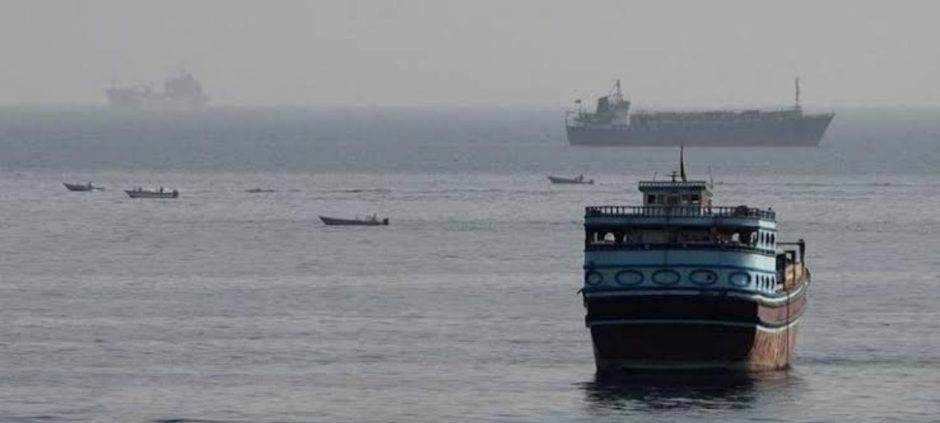
A potential breakthrough in negotiations between Iran and Oman could soon lead to the reopening of the strategically important Strait of Hormuz, raising hopes of restoring international oil shipments disrupted by the ongoing conflict between Iran and the United States.
A senior US official said on Friday that Washington was expecting an agreement between Iran and Oman that could allow normal commercial shipping through the waterway to resume. The official, who spoke on condition of anonymity, described recent discussions as showing progress and said a deal could be announced soon.
The Strait of Hormuz is one of the world’s most important energy routes, connecting the Persian Gulf with the Gulf of Oman and the Arabian Sea. Before the current conflict began, roughly one-fifth of global oil consumption passed through the narrow waterway, making any prolonged disruption a major concern for international energy markets.
According to the US official, Washington would lift its blockade of Iranian ports once an agreement is reached to restore commercial shipping through the strait without restrictions.
The official said US actions would remain dependent on Iran fulfilling its commitments under any potential agreement. The comments suggest that the reopening of the waterway could form an important part of broader diplomatic efforts aimed at ending the conflict.
Strait disruption affects global energy markets
The disruption to shipping through the Strait of Hormuz has already had significant consequences for global energy markets. Restrictions on tanker movements have reduced the flow of oil and created uncertainty among energy traders, contributing to higher energy prices and increased inflationary pressure.
Iran has used the conflict to justify imposing restrictions and tolls on oil tankers attempting to pass through the waterway. Ships that have attempted to cross without permission have also faced attacks, further increasing the risks for international shipping companies and their crews.
Although the latest US statements indicate renewed diplomatic momentum, previous efforts have produced mixed results. The Trump administration has repeatedly suggested that an agreement to reopen the strait was close, while Iranian officials have at times denied that formal negotiations were taking place.
This has created uncertainty over whether the latest diplomatic activity will result in a lasting arrangement or another temporary understanding.
Shipping attacks add to regional concerns
The security situation has also been complicated by attacks attributed to Iran and its regional allies.
Iranian attacks on shipping in the Strait of Hormuz have occurred alongside increased attacks by the Houthis, an Iran-aligned group based in Yemen. The group has targeted commercial vessels near another strategically important maritime route between the Red Sea and the Gulf of Aden.
The attacks have raised concerns over the security of multiple international shipping corridors at the same time.
Abu Dhabi National Oil Company (ADNOC) said on Friday that 15 of its vessels had been struck while passing through the Strait of Hormuz since the beginning of the conflict. The company described the incidents as unprovoked attacks and said one crew member had been killed while 20 others were injured.
The reports have intensified pressure for a diplomatic solution that can restore safe commercial shipping and reduce the threat to international crews and energy supplies.
Wider regional diplomacy continues
Meanwhile, the United States is also attempting to support diplomatic efforts on another front of the wider regional conflict involving Israel and Hezbollah in southern Lebanon.
A Lebanese official said on Friday that Lebanon and Israel had agreed on a shortlist of countries that could potentially provide troops to monitor the disarmament of Hezbollah under a US-brokered arrangement.
The United States would reportedly select countries from the agreed shortlist to participate in the monitoring process.
The developments indicate that Washington is pursuing diplomatic initiatives across several interconnected regional conflicts while also attempting to prevent further disruption to international trade and energy supplies.
Iran’s president defends negotiations
Iranian President Masoud Pezeshkian has meanwhile defended diplomatic engagement with the United States despite opposition from hardliners within Iran.
Washington and Tehran have not held direct high-level negotiations since US Vice President JD Vance met Iranian officials in Switzerland in June. The meeting followed a ceasefire agreement that temporarily established arrangements for resuming oil shipments through the Strait of Hormuz.
The June understanding, however, was short-lived. Hostilities resumed on July 7 after internal opposition emerged in both countries, although the fighting has since been placed on hold again.
The US military’s Central Command has not reported strikes on Iran since July 29, adding to speculation that diplomatic efforts may be gaining momentum.
Pezeshkian, speaking on Iranian state television on Friday, defended his government’s willingness to negotiate despite criticism from hardliners opposed to talks with Washington.
He argued that diplomacy could be used to secure Iran’s interests without continuing military confrontation. The Iranian president also suggested that dialogue could provide a way for the country to protect its rights while avoiding further escalation.
Global markets watch for breakthrough
Any agreement allowing unrestricted commercial shipping through the Strait of Hormuz would likely be closely watched by energy markets, governments and shipping companies around the world.
A reopening could ease pressure on global oil supplies, reduce shipping risks and potentially help stabilize energy prices. However, the durability of any agreement would depend on whether Iran, Oman and the United States can maintain the commitments necessary to guarantee safe passage.
For now, Washington’s latest comments suggest that negotiations have moved forward, but no final agreement has yet been publicly confirmed. The coming days could therefore prove crucial for determining whether the Strait of Hormuz returns to normal commercial operations or remains a major flashpoint in the wider regional conflict.