Iran has hardened its position over the Strait of Hormuz, with Iranian Army spokesperson Brigadier General Mohammad Akraminia declaring that the new order governing the strategic waterway is irreversible.
Speaking at a public gathering in Tehran on Saturday, Akraminia said Iranian forces would remain deployed until the new arrangement in the strait is fully established. He warned that the United States could face greater costs if it refuses to accept Iran’s position.
Akraminia said Tehran would not change its stance and claimed that Iranian armed forces have the motivation and military capability to enforce the new arrangements. He also said Iranian forces remain positioned at missile and drone launch sites.
The Iranian army spokesperson said military operations were continuing despite what he described as multilayered defensive systems. He also praised the morale of Iranian forces and their willingness to continue defending the country.
The statements came alongside remarks from Mohammad Bagher Zolghadr, secretary of Iran’s Supreme National Security Council. He said the Strait of Hormuz would remain closed until Washington changes policies that Tehran considers hostile.
Zolghadr outlined several conditions for reopening the strategic waterway. These include an end to threats against Iran’s Supreme Leader, a permanent halt to military action against Iran and its regional allies, and the withdrawal of US naval and air forces involved in what Tehran describes as a blockade.
Iran is also demanding compensation for damage caused during recent conflicts, the lifting of US sanctions, and the release of Iranian frozen assets. Zolghadr said the Supreme National Security Council would maintain these demands during both negotiations and conflict.
Meanwhile, Iran and Oman are continuing discussions over a possible mechanism for commercial shipping through the Strait of Hormuz. Tehran has indicated that the two sides are close to an arrangement, but has stressed that an agreement would not automatically mean unrestricted reopening of the waterway.
The proposed mechanism is expected to address technical, legal, and security issues related to commercial vessel movements. Iran has rejected the previous traffic separation system and is seeking a different arrangement for shipping.
The latest dispute follows a memorandum of understanding reportedly signed between Iran and the United States on June 18 through Pakistani and Qatari mediation. The agreement was intended to end active hostilities and begin negotiations toward a broader settlement.
The memorandum also envisaged a gradual restoration of commercial navigation through the Strait of Hormuz. However, implementation later stalled as both sides accused each other of violating its terms.
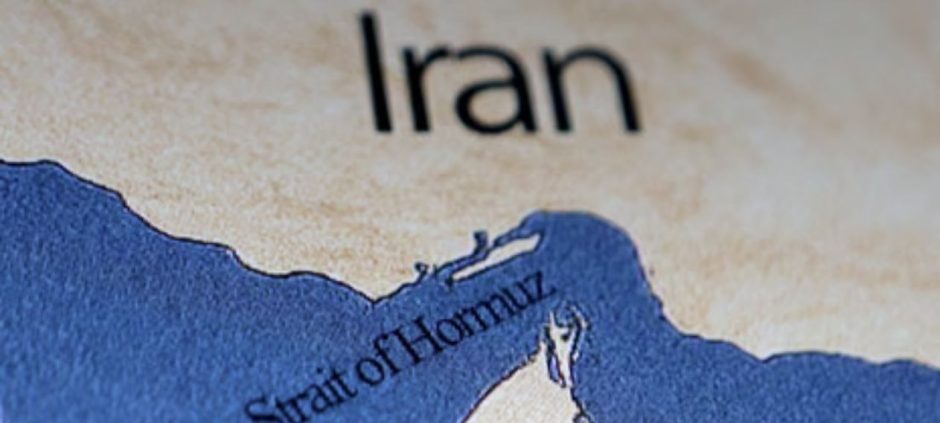
The Strait of Hormuz remains one of the world’s most important energy transit routes. It connects the Persian Gulf with the Gulf of Oman and plays a major role in global oil and gas transportation.
Iran’s latest statements suggest that Tehran wants to maintain the new arrangements it says have emerged in the waterway. The government is also linking any full reopening to broader concessions from Washington.
The immediate focus remains on Iran-Oman negotiations and whether a new shipping mechanism can be finalized. However, Tehran’s position indicates that a shipping agreement alone may not resolve the wider dispute.
Any prolonged disruption in the Strait of Hormuz could have major implications for regional security, international shipping, oil prices, and global energy markets.
Also read: Trump Says Iran War May End Soon