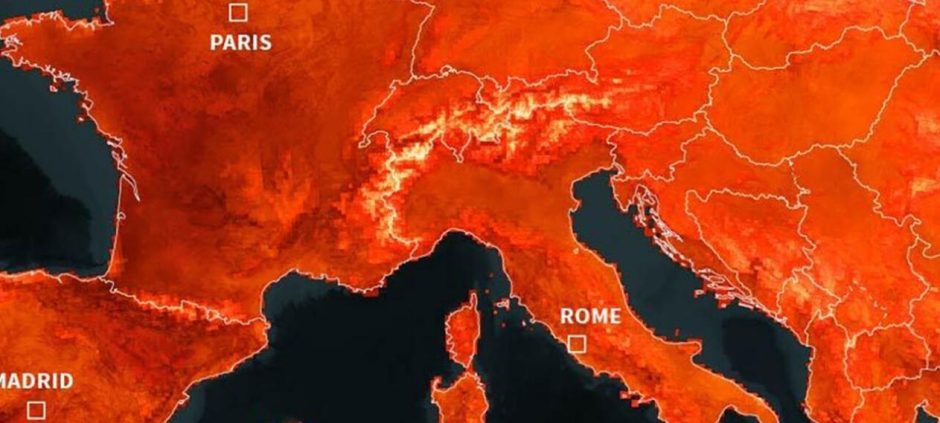
A severe heatwave that swept across Europe in June claimed nearly 10,000 lives, according to European officials. The extreme temperatures affected several countries, with older adults suffering the highest number of deaths as prolonged heat placed growing pressure on public health systems.
Authorities said around 9,000 of the victims were aged 65 or older, highlighting the greater vulnerability of elderly people during periods of extreme heat. Health experts warned that older adults, people with chronic illnesses and other high-risk groups remain the most affected during prolonged heatwaves.
The death figures were compiled from 27 European countries. According to officials, England and Wales recorded approximately 2,700 heat-related deaths, while France and Spain together reported more than 2,000 fatalities during the same period. Several other countries also experienced a significant rise in heat-related illnesses and deaths.
Experts said climate change is increasing both the frequency and intensity of heatwaves across Europe. Rising global temperatures are causing longer periods of extreme heat, placing greater strain on healthcare systems and increasing the risk of dehydration, heatstroke and other heat-related medical emergencies.
Spain continues to face dangerous weather conditions as civil protection authorities issued a heatwave alert in the Catalonia region. Officials said the area is experiencing its third heatwave of the season, with temperatures expected to remain extremely high until at least Wednesday.
Authorities also warned that Saharan dust is expected to accompany the heatwave, reducing air quality and creating additional health concerns. The hottest temperatures are forecast to affect the Lleida Pyrenees area first before reaching their peak on Wednesday, July 15.
Officials said the Ponent region is expected to experience the most severe conditions on Monday and Tuesday, while coastal and southern Prelitoral areas could also face unusually warm nights. High overnight temperatures may increase health risks by limiting opportunities for people to cool down.
Fire services across Catalonia have increased staffing levels and placed emergency stations and control rooms on high alert due to the elevated risk of wildfires. Authorities have urged residents to stay indoors during the hottest parts of the day, remain hydrated and seek cooler places as Europe continues to battle another intense summer heatwave.
Also read: PIA Announces Huge Fare Discount For Key Destination In Europe