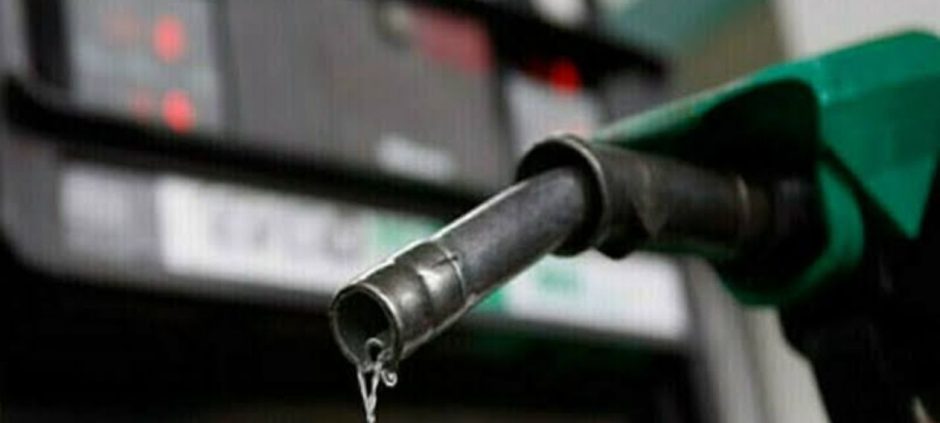
The federal government has announced plans to move toward deregulating petrol and diesel prices as part of broader reforms in Pakistan’s petroleum sector. Petroleum Minister Ali Pervaiz Malik said the Economic Coordination Committee (ECC) is expected to approve the long-awaited refinery upgrade policy by July 15, paving the way for market-based fuel pricing and modernization of the country’s refining industry.
Speaking during a meeting of the National Assembly Standing Committee on Petroleum, the minister said the refinery upgrade policy has already been submitted to the federal cabinet. Once approved, it will allow local refineries to upgrade their facilities and produce cleaner Euro V standard fuels. The policy is expected to improve fuel quality while supporting long-term investment in Pakistan’s energy sector.
Ali Pervaiz Malik said the government is gradually reducing its role in setting petrol and diesel prices and moving toward a competitive market-based pricing mechanism. He noted that petroleum prices have been announced through a transparent process for nearly two decades and said the transition to deregulation is the next step in improving the sector’s efficiency.
The minister assured lawmakers that the government would not transfer the financial burden of refinery inefficiencies to consumers. He said protecting the public from unnecessary increases in fuel prices remains a key priority, even as reforms are introduced to encourage greater competition in the petroleum market.
Explaining why fuel prices remain high despite lower international crude oil prices, Malik said Pakistan imports nearly 70 percent of its petrol and around 33 percent of its diesel requirements. He added that refining charges, freight costs, insurance expenses, and shipping costs continue to keep imported petroleum products expensive, limiting the impact of falling crude oil prices on local markets.
According to the minister, although global crude oil prices have returned to levels seen before recent regional conflicts, prices of refined petroleum products have not declined at the same pace. He also said that petroleum levy and carbon levy rates remain below the levels imposed on February 27, but the cost of imported refined fuel continues to affect domestic fuel prices.
During the committee meeting, lawmakers also expressed concern over the implementation of official LPG prices across the country and questioned the use of corporate social responsibility (CSR) funds by petroleum companies. The committee directed the Petroleum Division to submit detailed information regarding the utilization of billions of rupees in unspent CSR funds allocated for development projects in Sindh and Balochistan.
The proposed refinery upgrade policy and the planned shift toward deregulated fuel pricing are expected to bring significant changes to Pakistan’s petroleum sector. However, the pace of implementation and its impact on consumers will depend on the government’s final approval and future market conditions.
Also read: Punjab Govt Approves Two Headmasters for Every School