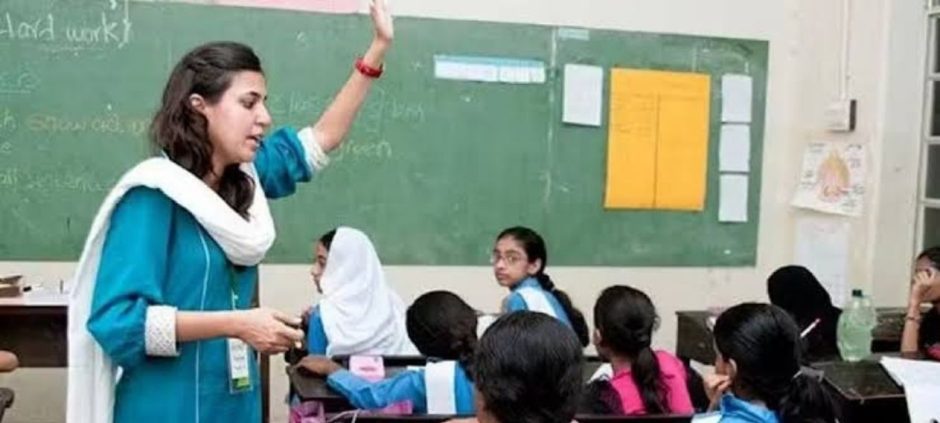
The Punjab School Education Department has approved the appointment of two headmasters, principals, or headmistresses in every government school as part of a major initiative aimed at improving educational standards across the province. The decision is intended to strengthen school management, enhance academic performance, and ensure better monitoring of teaching activities. Officials believe the new administrative structure will help schools operate more efficiently and provide students with a higher quality learning environment.
Alongside this initiative, the department has granted final approval for the rationalization of teachers across primary, middle, and high schools, with the process set to begin in August. The rationalization plan is designed to ensure that teachers are distributed according to each school’s enrollment and staffing requirements. Authorities expect the move to address teacher shortages in some schools while reducing surplus staff in others, ultimately improving the delivery of education throughout Punjab.
The department has also approved the outsourcing of another 5,550 government primary, middle, and high schools under its ongoing education reform programme. Applications have been invited from interested parties for the management of these schools. Officials say the outsourcing initiative aims to improve educational facilities, raise academic standards, and ensure more effective school administration through partnerships with qualified organizations.
According to the Education Department, the appointment of two school heads will be completed before the end of the ongoing summer vacations so the new system is in place when schools reopen. Under the approved plan, each institution will have one regular headmaster and one OPS (Own Pay Scale) headmaster. The dual leadership model is expected to divide administrative and academic responsibilities, allowing both areas to receive greater attention.
The OPS headmaster will primarily oversee teaching activities, monitor student attendance, prepare reports on school performance, focus on improving academic results, and work closely with teachers to create a better educational environment. Meanwhile, the regular headmaster will remain responsible for overall school administration, supervising teachers, improving students’ academic and moral development, preparing school development plans, coordinating with education authorities, and submitting institutional performance reports.
Speaking about the initiative, Rawalpindi Executive Education Officer Yasin Baloch said appointing two headmasters in every school would significantly improve educational standards, strengthen school management, enhance students’ training, and boost teachers’ performance. Education officials believe the reforms, together with teacher rationalization and school outsourcing, will contribute to a more efficient and accountable education system across Punjab in the coming academic year.