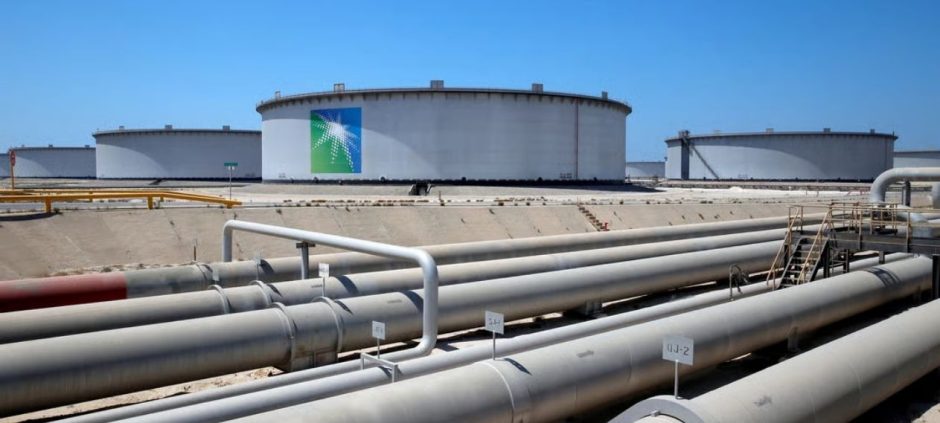
Saudi Aramco has reduced the price of its flagship Arab Light crude oil for buyers in Asia, offering it at a discount of $1.50 per barrel against the regional benchmark. The latest pricing decision marks a shift from the previous premium pricing and comes as global oil markets face growing competition and changing supply conditions.
The price cut is larger than many market analysts had expected, highlighting Saudi Arabia’s efforts to remain competitive in the Asian market. The move is expected to make Saudi crude more attractive to refiners across the region as demand and market dynamics continue to evolve.
Major oil-importing countries, including China, India, Japan, South Korea, and other Asian economies, are likely to benefit from the lower prices. The reduced cost of Saudi crude could help refiners lower their import expenses while ensuring a stable supply of oil for domestic markets.
The announcement comes shortly after OPEC+ approved an increase in oil production of 188,000 barrels per day beginning in August. The additional supply is expected to increase oil availability in global markets, putting further pressure on crude prices if demand remains steady. Analysts believe the production increase could contribute to a more balanced market in the coming months.
Energy experts say that if international crude prices remain around current levels, several oil-importing countries, including Pakistan, could benefit from lower fuel import costs. Reduced import bills may ease pressure on foreign exchange reserves, improve trade balances, and help slow inflation by lowering energy-related expenses.
At present, Brent crude is trading near $72 per barrel, while West Texas Intermediate (WTI) is hovering around $69 per barrel. Market participants will continue to monitor global demand, geopolitical developments, and future OPEC+ production decisions to assess the direction of oil prices in the months ahead.