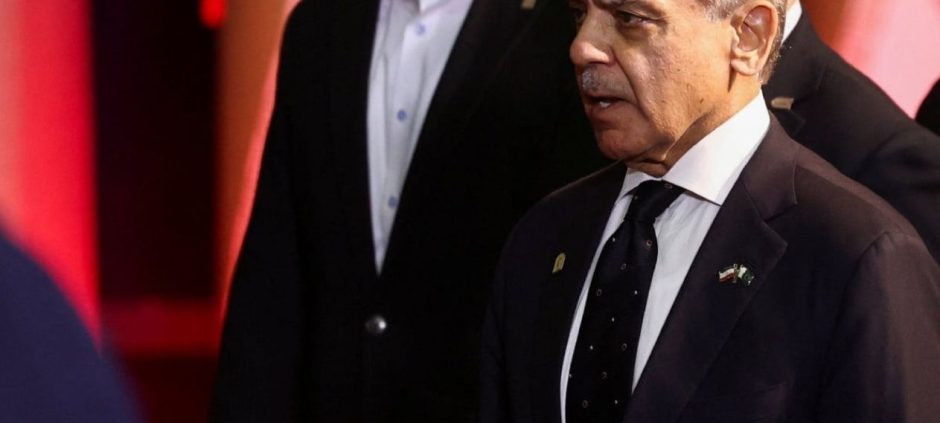
The Govt of Pakistan has assigned 28 additional state-owned enterprises (SOEs) to the Privatization Commission as it accelerates its privatization agenda, Finance Minister Muhammad Aurangzeb announced on Tuesday.
Speaking at the Pakistan Banking Summit 2026, Aurangzeb said the government remains committed to privatization and broader economic reforms aimed at improving efficiency, attracting investment, and strengthening the country’s fiscal position.
The finance minister said Pakistan ended the last fiscal year on a stronger economic footing, with GDP growth reaching 3.7%, supported by improvements in large-scale manufacturing. He added that the current account remained stable during FY2025-26, driven largely by robust workers’ remittances, which were estimated at $41–42 billion.
Aurangzeb said value-added exports also contributed to macroeconomic stability, while foreign exchange reserves increased to $18.4 billion. He noted that Pakistan had regained access to international capital markets, including Eurobonds, and described Panda Bonds as an important avenue for diversifying future financing.
He also highlighted growing activity at the Pakistan Stock Exchange, which recorded 11 initial public offerings (IPOs) during the last fiscal year. According to the minister, younger investors—particularly Generation Z—are showing increasing interest in the stock market.
Discussing budget measures, Aurangzeb said the government had abolished the super tax for businesses valued below Rs500 million to support smaller enterprises. He added that the construction sector had received relief, while customs duties on agricultural machinery had been reduced to zero.
The finance minister said the government is expanding the tax base by bringing the retail sector into the tax net and increasing the use of technology to minimize direct interaction between taxpayers and tax officials. He stressed that rebuilding public trust in the tax system would require practical reforms and greater transparency.
Aurangzeb also said the government intends to simplify Pakistan’s overall tax structure rather than maintain multiple final tax regimes, emphasizing that all sectors of society should contribute a fair share of taxes.
On financial inclusion, he revealed that monthly inflows under the Roshan Digital Account initiative had increased from $180 million to $300 million over the past three months. He added that the government aims to improve financing access for small and medium-sized enterprises (SMEs), reduce dependence on public borrowing, and strengthen the role of non-bank financial institutions.
The minister further disclosed that no-objection certificates were issued to exchange companies in December 2025 for activities related to artificial intelligence, blockchain, and virtual assets. He also urged commercial banks to strengthen cybersecurity as Pakistan’s financial sector becomes increasingly digitized.
Speaking separately, Aurangzeb said trade engagement with Iran remains at an early stage following the Iran–US conflict but expressed optimism about expanding economic cooperation with fellow Islamic countries.
At the same event, Zafar Masud, chairman of the Pakistan Banks Association, said the banking sector delivered strong performance over the past year. He noted that banks continue to expand financing for SMEs, agriculture, housing, and environmentally sustainable projects while contributing more than Rs1 trillion annually in taxes.
Masud said agricultural lending increased 39%, housing finance rose 90%, the number of SME borrowers grew 111%, and the value of SME loans increased 80% during the year.
He added that banks provided Rs2.4 trillion in financing to help address circular debt in the power sector and arranged Rs300 billion in funding for the private sector’s role in the privatization of Pakistan International Airlines.
Also read: Govt Launches Action Against KFC Branches in Lahore