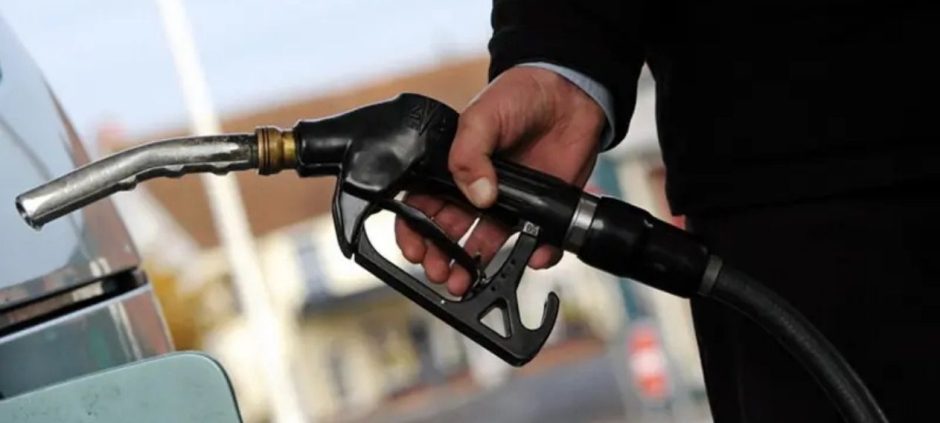
The federal government has increased the Climate Support Levy on petrol and high-speed diesel (HSD) to Rs5 per litre as part of its commitments under the International Monetary Fund (IMF) programme. The revised rates came into effect on July 1, following a notification issued by the Petroleum Division. At the same time, the government reduced the Petroleum Levy on both fuels, restructuring petroleum-related taxes without changing retail fuel prices.
According to the official notification, the Climate Support Levy on petrol has been doubled from Rs2.50 to Rs5 per litre. The same Rs5 per litre levy has also been imposed on high-speed diesel after revisions to the taxation framework. The move is part of broader fiscal reforms aimed at strengthening government revenues while fulfilling commitments agreed with the IMF under Pakistan’s economic programme.
Alongside the increase in the Climate Support Levy, the government reduced the Petroleum Levy on both petrol and diesel by Rs2.50 per litre. Following the revision, the Petroleum Levy on petrol has been lowered from Rs66.64 to Rs64.14 per litre, while the levy on high-speed diesel has been reduced from Rs79.54 to Rs77.04 per litre. Officials said the adjustment balances the overall tax burden without affecting current retail fuel prices.
Despite the changes in petroleum taxation, consumers will not experience any immediate increase or decrease in fuel prices at petrol stations. The government has confirmed that the prices of petrol and high-speed diesel will remain unchanged until the next scheduled fortnightly fuel price review. As a result, motorists will continue paying the existing rates while the revised levy structure takes effect in the background.
The Climate Support Levy is expected to become an increasingly important source of government revenue. Official estimates indicate that the levy will generate approximately Rs48 billion during the 2025-26 fiscal year. Government data also shows that between July 2025 and March 2026, around Rs37.27 billion had already been collected through the Climate Support Levy, highlighting its growing contribution to public finances.
The revised taxation framework supports the government’s broader fiscal strategy for FY2026-27, which projects Rs5.336 trillion in non-tax revenue, compared with Rs5.093 trillion in the current fiscal year. Of this amount, nearly Rs1.727 trillion is expected to come from petroleum-related charges, including the Petroleum Levy and the Climate Support Levy. The government views these measures as essential for meeting IMF-backed reform targets while strengthening fiscal stability and increasing non-tax revenue collections.
Also read: Govt Considers Fresh Charges for Low Electricity Consumers