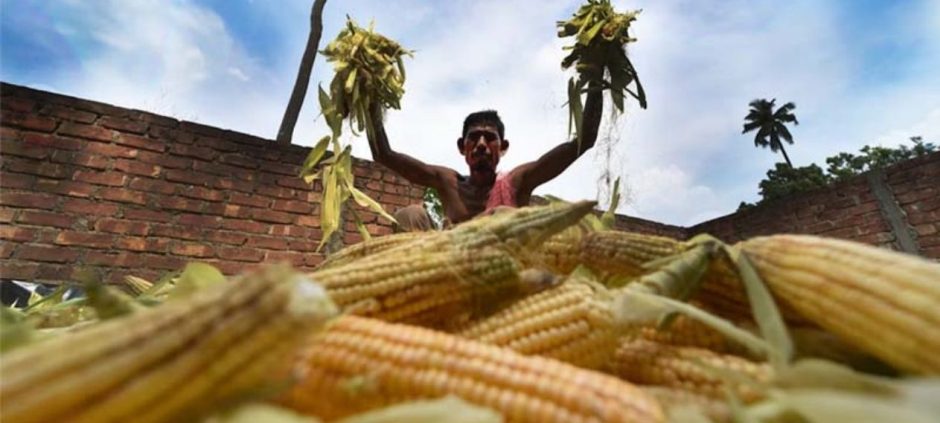
Average maize prices across Punjab have declined by nearly 20 percent over the past two months as weak export demand, slower purchases by feed millers, and the arrival of the new crop continue to put pressure on the market. The sharp decline has affected major agricultural markets across the province, reducing returns for growers while creating lower input costs for some livestock and poultry businesses.
According to an analysis of wholesale mandi prices in key maize-producing districts, average prices have dropped from around Rs. 3,000 per maund (40 kilograms) in late April and early May to nearly Rs. 2,400 per maund by the end of June. This significant fall reflects increasing market supply and subdued buying activity, resulting in a softer trading environment across Punjab.
The downward trend has been recorded in nearly all major maize markets, including Faisalabad, Bahawalpur, Chichawatni, Dipalpur, Kasur, Multan, Muzaffargarh, Samundari, Sheikhupura, Arifwala, and Bahawalnagar. Although prices have experienced occasional short-term fluctuations, most markets are now trading between Rs. 2,300 and Rs. 2,500 per maund, compared with levels close to or above Rs. 3,000 just a few weeks earlier.
A commodity trading consultant said the biggest reason behind the price decline is the absence of significant export activity, particularly following disruptions in trade with Afghanistan. He explained that export volumes have fallen due to border-related issues, while the arrival of the new maize crop has increased supplies in domestic markets. At the same time, feed millers have not been purchasing aggressively, keeping overall demand below expectations.
The consultant noted that demand could improve later this year as fresh investment in Pakistan’s poultry sector increases feed consumption. Higher poultry production is expected to boost maize demand because the crop is a major ingredient in poultry feed. However, current buying activity remains weak, suggesting that prices are likely to remain under pressure in the short term unless export conditions improve or domestic demand strengthens.
Outside Punjab, maize markets in Sindh and Khyber Pakhtunkhwa are also experiencing weaker market sentiment, although the decline has been less severe than in Punjab. Traders attribute the softer prices to slower trading activity and the same export challenges affecting the national maize market. Market participants will now be closely watching export developments and demand from the livestock and poultry sectors for signs of a possible recovery in the coming months.
Also read: Pakistan And Iran Near Signing Comprehensive Free Trade Agreement