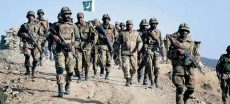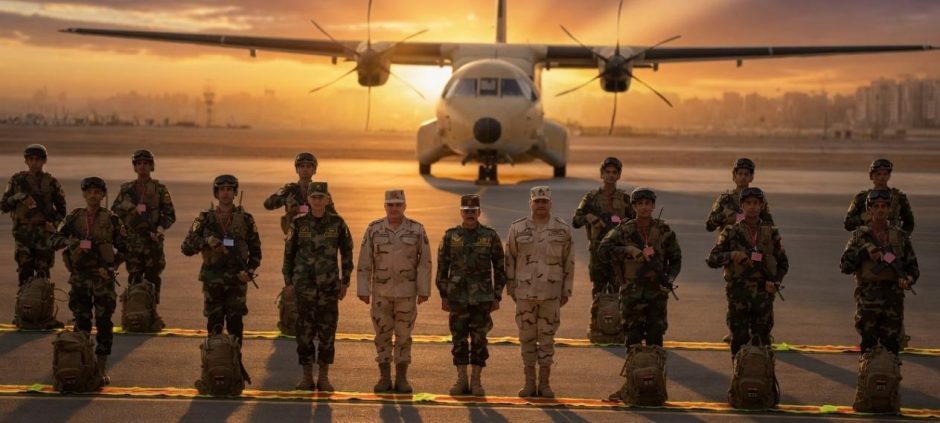
Pakistan and Egypt have successfully concluded the joint counterterrorism exercise Thunder-II at Cherat. The training activity aimed to strengthen cooperation and improve operational coordination between the armed forces of both countries.
According to the Inter-Services Public Relations, the Thunder-II exercise lasted for two weeks. It focused on enhancing skills related to counterterrorism operations. The training included joint drills, planning sessions, and field exercises designed to improve coordination.
The exercise brought together elite combat units from both nations. Pakistan Army’s Special Services Group (SSG) participated alongside Egyptian Special Forces. Both teams demonstrated high levels of professionalism during the training. Officials said the collaboration helped improve mutual understanding of operational techniques.
The main objective of Thunder-II was to refine tactics and procedures used in counterterrorism missions. Soldiers practiced real-life scenarios to enhance readiness. These activities included urban combat simulations, hostage rescue drills, and coordinated response strategies.
Military officials noted that such exercises are important in addressing modern security challenges. By working together, both forces gained valuable experience in joint operations. The training also helped strengthen communication and teamwork between the participating units.
The closing ceremony of Thunder-II was attended by senior military officials. The General Officer Commanding of the Special Services Group was present as the chief guest. The Commander of Egyptian Paratroopers, Major General Mohamed Saad Abdel Razik, also attended the event. Egypt’s Defence Attaché in Pakistan was among the key participants.
Officials highlighted that the exercise reflects strong military ties between Pakistan and Egypt. Both countries have a long history of cooperation in defense and training. The successful completion of Thunder-II is seen as a step forward in deepening this partnership.
The exercise also provided an opportunity to share knowledge and best practices. Participants exchanged ideas on handling complex security situations. This exchange is expected to improve future joint operations.
Experts believe such collaborations play a key role in maintaining regional stability. They also help build trust between allied nations. Joint training exercises like Thunder-II are considered essential for preparing forces to respond effectively to evolving threats.
Authorities have expressed satisfaction with the outcome of the exercise. They said both sides achieved their training goals. Future joint activities may be planned to continue strengthening cooperation between the two countries.
The successful completion of Thunder-II highlights the commitment of both nations to counterterrorism efforts. It also reinforces their shared focus on maintaining peace and security in the region.