Punjab Chief Minister Maryam Nawaz Sharif has given in-principle approval for introducing an artificial intelligence-powered multi-disease scanner in the province. The technology is expected to improve the speed and effectiveness of medical screening and diagnosis.
The chief minister received a detailed briefing on the technology during a meeting with senior executives of Chinese technology company Alibaba. Following the briefing, she expressed interest in introducing the system in Punjab’s healthcare sector.
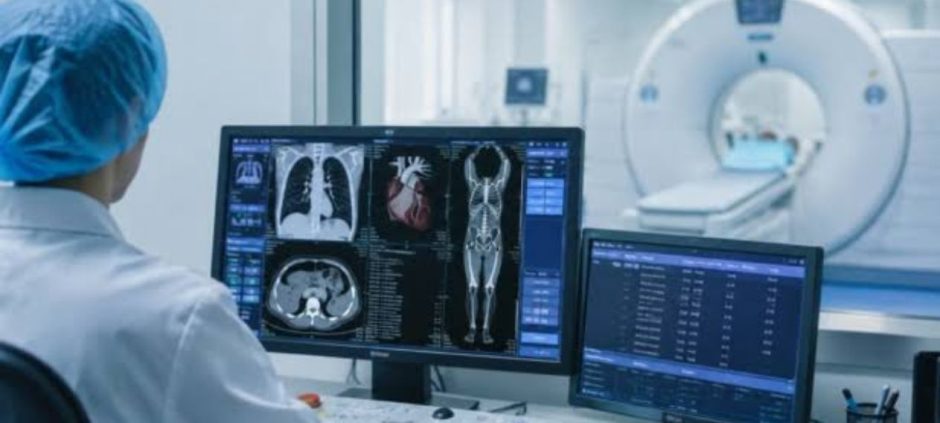
According to officials, the AI-powered Multi-Disease Screening Solution uses non-contrast CT technology and can potentially screen for up to 10 diseases within two minutes.
The system is designed to support doctors in disease screening, diagnosis, treatment and patient management. A major focus of the technology is the early detection of serious illnesses, including five potentially fatal types of cancer.
The AI system can assist in screening for gastric, pancreatic, esophageal, colorectal and liver cancers. It can also support the diagnosis of pancreatic and liver cancer.
In addition, the technology can help detect Acute Aortic Syndrome and assess risks linked to cardiovascular diseases. It can also evaluate fat and muscle health, assess osteoporosis and bone weakness, and assist in detecting fatty liver disease.
The proposed system is intended to complement conventional diagnostic methods rather than replace doctors or existing medical procedures. It could provide healthcare professionals with an additional tool for faster and more comprehensive patient assessments.
Maryam Nawaz directed the provincial health authorities to prepare a pilot project for introducing the technology in Punjab. The pilot will help officials assess how the AI-powered system can be integrated into the province’s healthcare network.
The approval marks another step toward the wider use of artificial intelligence in Punjab’s public services and healthcare sector. If successfully implemented, the technology could help speed up the detection of serious diseases and support earlier medical intervention.
However, authorities have not yet announced where the technology will first be deployed or when the pilot project will begin.
Further details about the project, including the selected hospitals and implementation timeline, are expected as the provincial government moves ahead with the pilot plan.
Also read: Punjab Boards Introduce Reforms for Exams