France is taking the lead in a cautious maritime effort to help restore stability in the Strait of Hormuz, one of the most strategically important shipping routes in the world. Officials in Paris have confirmed that discussions are underway to form a coalition of “willing nations” that would help patrol the waterway and ensure the safe movement of commercial vessels. The initiative highlights France’s growing role as a diplomatic mediator seeking balanced solutions during international crises.
The proposal follows reports that the French government had been quietly working to secure guarantees for the safety of French-flagged ships operating in the region. French diplomats are now focusing on shifting the situation away from heightened confrontation toward a more stable environment. The goal is to establish a primarily defensive maritime presence that can protect merchant ships and rebuild global confidence in vital energy supply routes passing through the Strait of Hormuz.
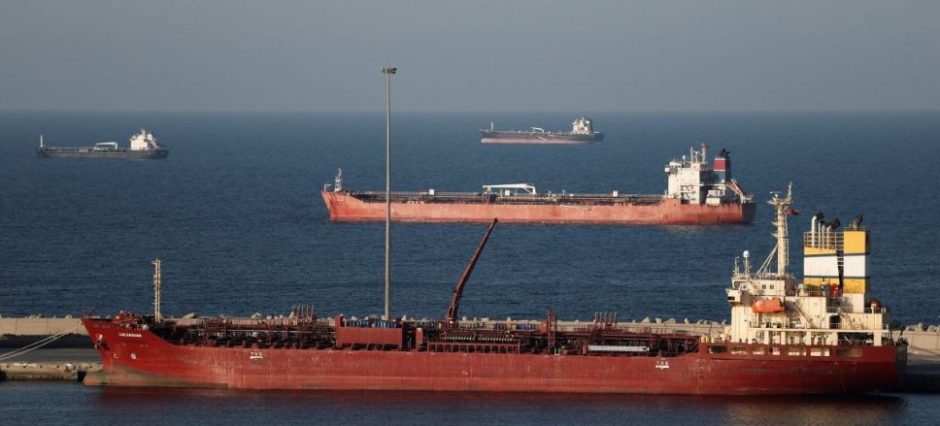
The timing of the initiative is significant, as shipping traffic through the narrow waterway has slowed in recent weeks due to concerns about vessel seizures, security incidents, and drone attacks. France is promoting its plan as a more balanced alternative to heavily militarized responses often proposed by other Western powers. Instead of escalating tensions, the coalition would focus on escorting oil tankers, monitoring maritime security conditions, and preventing incidents that could spark a broader conflict.
French officials also emphasize the importance of maintaining diplomatic communication with Gulf countries as well as Iran. Through continued dialogue, Paris hopes to gain quiet acceptance for the mission so it can operate without worsening regional tensions. While some observers believe France may also be protecting its commercial interests, officials insist the main aim is to safeguard freedom of navigation and protect global trade routes.
For President Emmanuel Macron, the effort reflects a broader European diplomatic approach often described as a “third way.” This strategy positions Europe as an independent actor capable of maintaining dialogue with all sides in the Persian Gulf region. If successful, the multinational coalition possibly including European nations, Gulf partners, and countries such as India could help reduce tensions and reinforce France’s influence while ensuring that the Strait of Hormuz remains open, secure, and governed by international maritime law.
in recent developments, Oil Prices Surge Amid Strait of Hormuz Closure