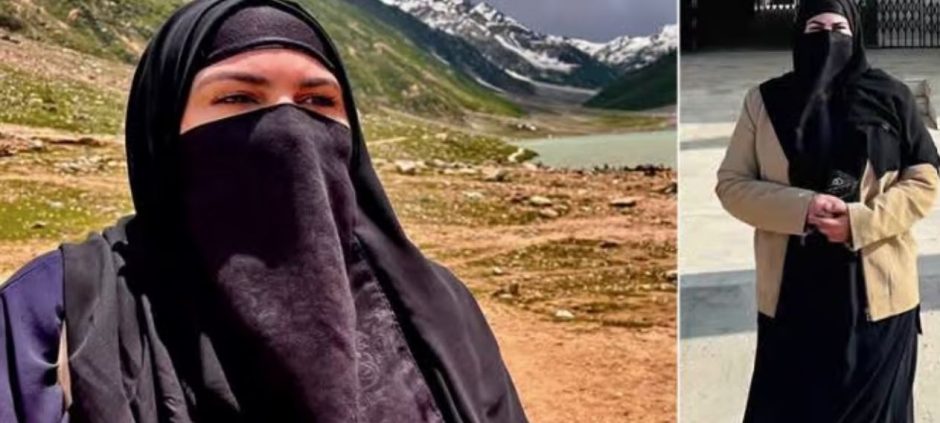
A major step for gender inclusion has been taken in Waziristan after authorities appointed the first woman to the Dispute Resolution Council (DRC) in Upper South Waziristan. The decision marks a historic moment for the tribal district, where such councils have traditionally been made up only of male members.
According to an official notification issued by the Regional Police Officer (RPO) of Dera Ismail Khan, social activist Razia Mehsud has been appointed to the newly formed 17-member Dispute Resolution Council. Her inclusion is expected to bring a broader perspective to the council’s work and improve access to justice for women in the region.
Officials said the proposal to appoint Razia Mehsud was made by District Police Officer (DPO) Arshad Khan. The recommendation aimed to ensure that women’s views are represented in local dispute resolution. Authorities believe this will strengthen the justice system and make it more inclusive.
The appointment is being widely welcomed across Waziristan. Tribal elders, social workers, and community members have described it as a positive development. Many believe the presence of a female member will encourage more women to seek help in sensitive cases.
For many years, Dispute Resolution Councils in Waziristan operated with only male elders. As a result, women often faced difficulties in presenting complaints related to domestic disputes and other personal matters. Community members said this limited women’s participation in local justice processes.
With a woman now serving on the council, many expect a more balanced approach to handling family and community disputes. Women may feel more comfortable discussing issues that were previously difficult to raise before an all-male panel.
Local leaders said Razia Mehsud’s appointment could improve trust between women and law enforcement agencies. They believe women will have greater confidence in reporting domestic violence, family disagreements, and other community-related concerns.
Officials also hope the move will strengthen cooperation between local communities and the district administration. They believe including women in decision-making can lead to fairer and more effective solutions in complex cases.
The district administration views the appointment as part of broader efforts to improve governance and public participation. Authorities said diverse representation can help councils better understand the concerns of all members of society.
Community activists also praised the decision. They said women have long played important roles in society but were often absent from formal decision-making bodies. Including a female representative is seen as an important step toward greater equality.
The appointment of Razia Mehsud reflects a changing approach to local governance in Waziristan. Officials hope it will encourage greater participation by women in public institutions while improving the effectiveness of community dispute resolution.
In other related news also read Pakistan Denounces Disinformation After North Waziristan Incident
The administration believes this historic decision will help create a more inclusive justice system. It also aims to promote fairness, equal representation, and stronger public confidence in local institutions across the region.