The US Federal Aviation Administration (FAA) is planning to replace its 1973 ban on civilian supersonic flights over American land with new regulations based on aircraft noise levels, paving the way for a new era of high-speed air travel.
Under the proposed framework, civilian aircraft could fly faster than Mach 1 over the United States, provided they comply with strict sound limits. The FAA aims to finalize the new rules by mid-2027.
ALSO READ
UK Team Begins Assessment of Two Pakistani Airports
Shift to Noise-Based Regulations
The FAA announced the proposed regulatory change on Tuesday, with Administrator Bryan Bedford saying advances in aviation technology could eliminate the loud sonic booms that led to the original ban more than five decades ago.
He said quieter supersonic aircraft would allow the agency to repeal the long-standing restriction while minimizing noise impacts on communities near airports and along flight paths.
Why the Ban Was Introduced
The FAA prohibited civilian supersonic flights over US land in 1973 after widespread public opposition to sonic booms generated by aircraft exceeding the speed of sound.
During the 1960s, tests—including the well-known Oklahoma City sonic boom experiments—showed that repeated shock waves shattered windows, damaged property, and triggered thousands of public complaints. At the time, the agency concluded that available technology could not adequately protect the public.
ALSO READ
New Private Airline Gets Approval to Start Flights
New Generation of Supersonic Jets
The proposed rule change could benefit aerospace companies developing quieter supersonic aircraft, including Boom Supersonic and Spike Aerospace.
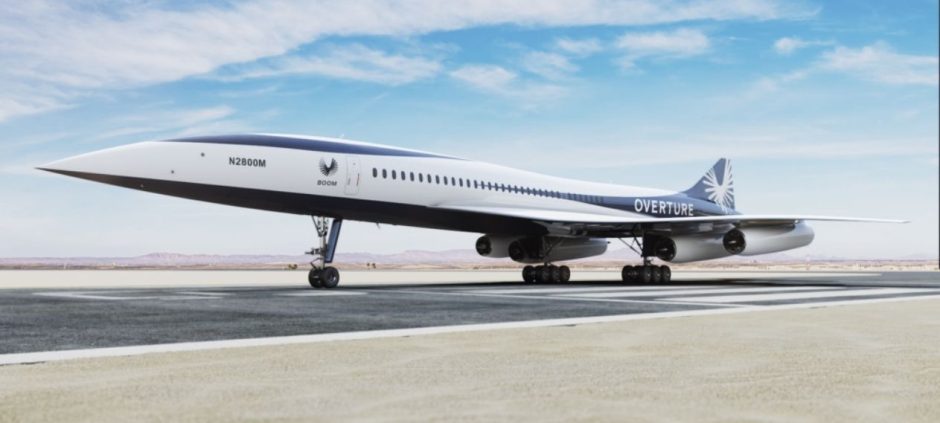
Boom Supersonic’s Overture aircraft is designed to carry between 60 and 80 passengers, with pre-orders already placed by United Airlines, American Airlines, and Japan Airlines.
Meanwhile, Spike Aerospace is developing the Diplomat, a smaller supersonic jet capable of carrying up to 18 passengers.
If approved, the new FAA regulations could mark the return of commercial supersonic travel over US land for the first time in more than 50 years.
Also read: “Wings of the Future: How Pakistan’s Air Force Is Quietly Redefining Air Power in Asia”