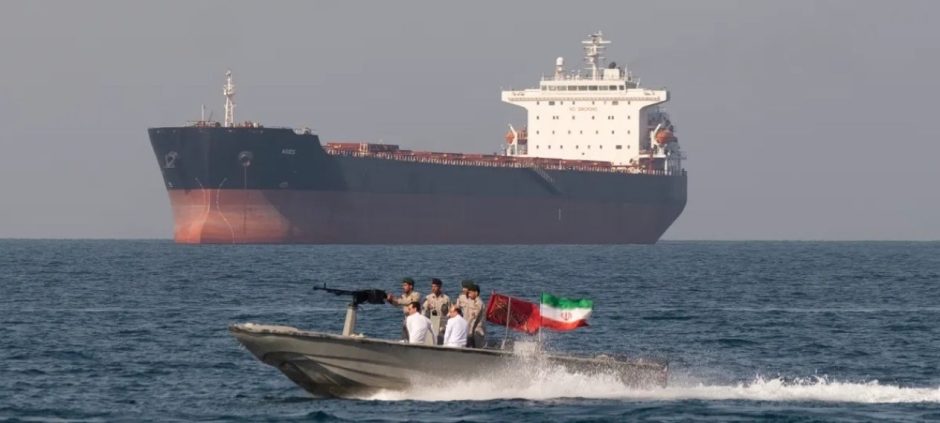
Two large crude carriers briefly reversed course while attempting to enter the Persian Gulf through the Strait of Hormuz on Sunday. The move highlights renewed uncertainty following the end of US–Iran negotiations and concerns over a fragile two-week ceasefire.
According to vessel tracking data, three very large crude carriers (VLCCs) approached the strategic chokepoint from the Gulf of Oman late Saturday night. By early Sunday, two tankers abruptly changed direction near Iranian territorial waters, raising concerns about maritime security in the region.
The Iraq-bound Agios Fanourios I and the Pakistan-flagged Shalamar, which was heading toward the United Arab Emirates, made sudden U-turns near Larak Island. Both vessels had received prior clearance for transit. However, their unexpected reversal suggests heightened caution among shipping operators navigating the Strait of Hormuz.
A third tanker, Mombasa B, continued its journey through the approved shipping corridor between Larak and Qeshm islands. Its final destination remains unclear. The mixed responses of the vessels underscore the complexity of operating in sensitive waters during periods of geopolitical uncertainty.
The Strait of Hormuz is one of the world’s most critical maritime routes. It serves as a key gateway for global oil and liquefied natural gas supplies. A significant share of the world’s energy exports passes through this narrow channel each day. Any disruption or perceived threat can influence global energy markets and shipping costs.
In recent weeks, the waterway has witnessed heightened vigilance due to regional tensions. While several vessels have completed successful transits, others have aborted their journeys as a precaution. Earlier incidents involved container ships and LNG carriers reversing course mid-transit. However, recent days have shown modest improvements in successful passages.
Maritime authorities and industry stakeholders continue to monitor the situation closely. Shipping companies are assessing risks before entering the strategic corridor. These developments reflect the ongoing sensitivity surrounding navigation in the Strait of Hormuz.
In other related news also read US Eases Sanctions with Temporary Iranian Oil Waiver
As of now, no official announcements have been issued by tanker operators regarding the latest incidents. The situation remains fluid, with global markets and security analysts watching closely for further updates.