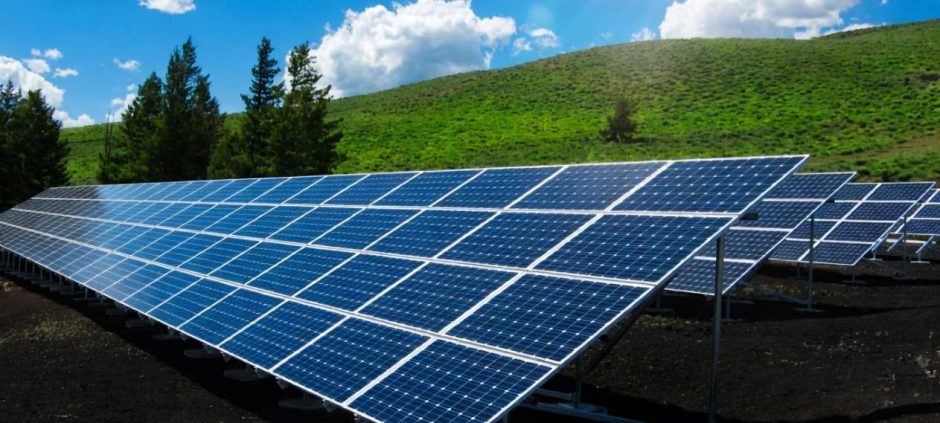
Solar energy has become a major solution to Pakistan’s power crisis. It has helped reduce load shedding and lower dependence on costly fuel imports. However, rising Solar Panel prices are now creating concern for consumers and experts.
In recent years, many households and businesses shifted to solar systems. Net metering and off-grid solutions provided reliable electricity. These systems helped reduce outages and improved energy access across the country.
Pakistan previously faced up to 14 hours of daily load shedding. Today, solar energy has reduced these outages in many areas. The use of Solar Panel systems has played a key role in this improvement.
Reports show that Pakistan imported around $12 billion worth of solar equipment over the past eight years. According to the National Electric Power Regulatory Authority, solar net metering has reached about 6,500 megawatts. Off-grid systems have added over 12,000 megawatts.
The demand for solar energy increased due to rising electricity costs. Data from the Competition Commission of Pakistan shows power tariffs have risen by 155% in three years. This pushed more consumers toward Solar Panel installations.
Despite this growth, new challenges have emerged. Policy changes and IMF-related conditions are affecting the sector. The government has revised net metering rules and reduced buyback rates for solar users.
At the same time, the removal of import subsidies has increased Solar Panel prices. Authorities are also considering imposing sales tax on solar equipment. Experts warn that such measures may slow down adoption.
Energy specialists are calling for supportive policies. They suggest keeping solar technology tax-free and restoring earlier incentives. Experts believe affordable solar systems are essential for long-term energy stability.
Dr. Khalid Waleed emphasized the need to expand access for low-income households. He said this would reduce pressure on electricity subsidies and promote clean energy use.
There is also potential to develop local manufacturing of Solar Panel systems. This could create jobs and reduce dependence on imports. It may also help manage electricity demand more effectively.
However, rising costs remain a serious concern. If prices continue to increase, solar energy may become unaffordable for many people. This could reverse progress made in reducing load shedding.
In other news read more about: Punjab Extends Deadline for Free Solar Panel Scheme
Pakistan now faces an important decision. It must balance policy changes with the need to support renewable energy. The future of solar adoption will depend on how these challenges are addressed.