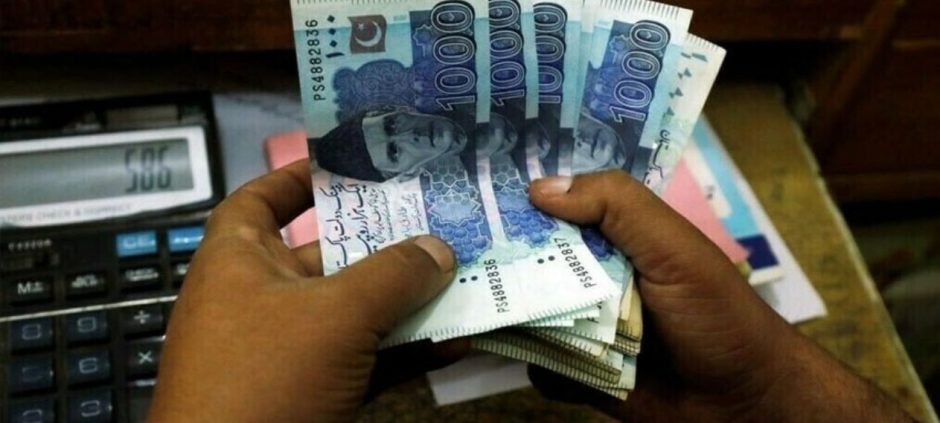
The Punjab government has increased efforts to protect workers’ rights. A new law has been passed to set the minimum wage at Rs40,000. The move also brings important changes to the social security system in Punjab.
The bill was approved by the Punjab Assembly with a majority vote. It is called the Punjab Employees Social Security (Amendment) Act 2026. The law updates parts of the old Employees Social Security Ordinance of 1965.
Under the new law, the minimum wage in Punjab is now officially Rs40,000. However, officials have highlighted a major issue. The current system still uses an old salary cap of Rs22,000. This gap has created legal and administrative problems.
The mismatch has made it difficult to manage social security contributions. It has also caused confusion in official procedures. Authorities say this issue has slowed down proper enforcement of labor laws in Punjab.
To address this, the new amendments introduce modern legal reforms. These changes aim to align the system with current economic conditions. They also focus on improving how worker benefits are handled.
One key proposal is to validate social security contributions paid since July 2022. This step will help resolve ongoing compliance issues. Officials believe it will also reduce disputes between workers and departments.
Authorities said that without these reforms, departments faced operational challenges. These issues made it harder to enforce laws effectively. The updated system is expected to improve efficiency and transparency.
The bill will now be sent to the Governor of Punjab for final approval. Once signed, it will become law across Punjab.
The move shows the commitment of the Punjab government to support workers. Rising inflation has increased financial pressure on families. The new law aims to ensure fair wages and better protection.
In other related news also read Punjab Boards Increase Matric registration and Migration Fees
Overall, the reforms are expected to strengthen the labor system in Punjab. They may also improve trust between workers and institutions.