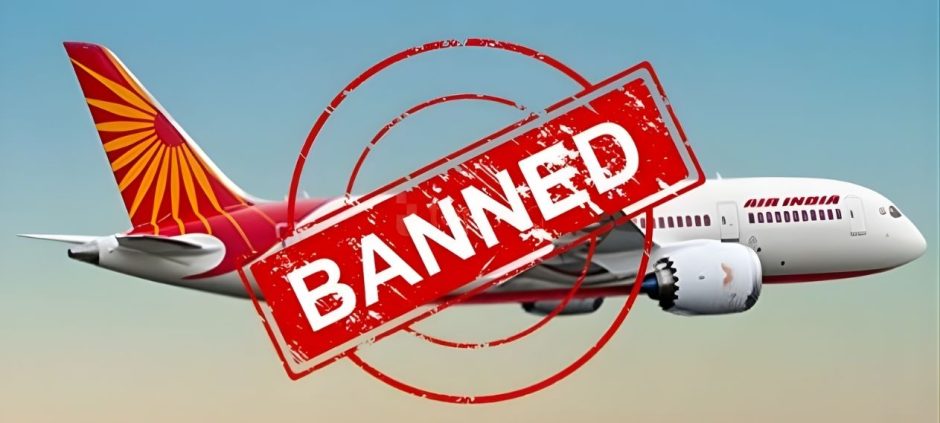
Pakistan has extended the closure of its Airspace for Indian aircraft for another month, according to official reports. The restriction, which began last year, has now entered its second year. Authorities confirmed that the decision will remain in place until May 24, 2026.
The latest notice was issued by the Pakistan Airports Authority. The notice to airmen (NOTAM) clearly states that Indian-registered aircraft will not be allowed to use Pakistan’s Airspace during this period. The ban applies to commercial, leased, and military aircraft.
Officials said the restriction will remain effective until 5:00 am on the given date. The move is seen as part of ongoing tensions between Pakistan and India. The situation has led to repeated extensions of the Airspace closure.
Pakistan first imposed the restriction on April 23, 2025. Since then, authorities have continued to renew the ban due to unresolved issues. The decision reflects the current state of relations between the two neighboring countries.
The extended Airspace closure has had a direct impact on aviation operations. Indian airlines have been forced to take longer routes for international flights. This has increased travel time and fuel costs for carriers.
Industry sources say the financial impact on airlines has been significant. Losses are estimated to be in billions of rupees. Airlines are facing higher operational costs as they adjust to alternative flight paths.
Experts note that such restrictions affect both aviation efficiency and regional connectivity. Longer routes also increase carbon emissions, adding pressure on environmental concerns. Despite this, there has been no immediate sign of easing in the policy.
Officials have not indicated when the Airspace restrictions may be lifted. The continuation of the ban depends on future developments in diplomatic relations. Until then, airlines will continue to manage the impact of restricted routes.
In other news read more about: Trump Delays Iran Ceasefire Decision as Pakistan Prepares Islamabad Talks 2.0
The situation remains under close observation by aviation authorities and industry experts. Any changes in policy could quickly affect flight operations in the region. For now, the extended Airspace ban highlights ongoing tensions and their impact on international travel.