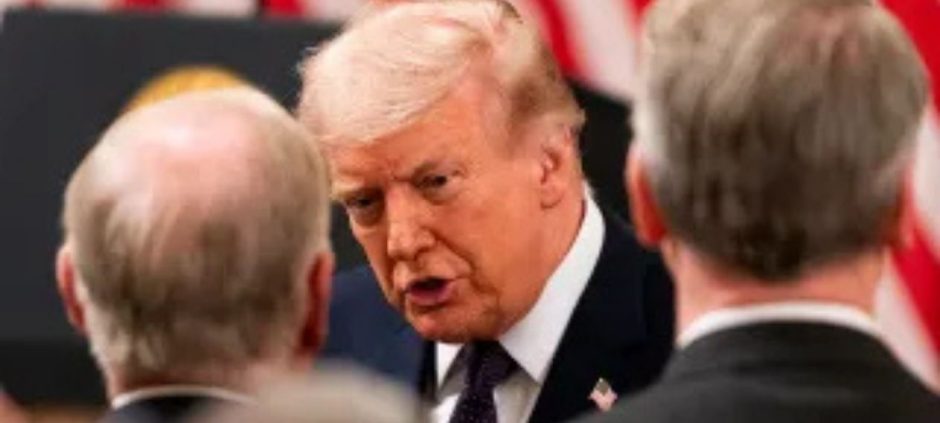
US President Donald Trump has expressed optimism about ongoing negotiations with Iran, stating that discussions are progressing positively and a peace agreement could be finalized in the coming days. Speaking at the White House, Trump suggested that a breakthrough may be achieved by the end of the week, potentially leading to the reopening of the Strait of Hormuz, a critical global oil shipping route. Recent reports indicate that Washington and Tehran are working toward an agreement aimed at extending a ceasefire and reopening the strategic waterway.
According to Trump, one of the key issues under discussion is Iran’s uranium enrichment program. He said efforts are being made to ensure that enriched uranium is transferred under an agreed framework while maintaining that Iran will not be allowed to acquire nuclear weapons. Trump described the negotiations as moving forward with support from Iran’s highest levels of leadership and expressed confidence that diplomacy could achieve better results than military action.
The US president also addressed regional tensions involving Lebanon. Trump said Washington has been working to separate discussions related to Lebanon from broader negotiations with Iran. He claimed that direct communication had taken place regarding Hezbollah’s role in the conflict and that efforts were being made to prevent further escalation along the Israel-Lebanon border. Reports indicate that US-mediated diplomacy has focused on reducing violence and maintaining ceasefire arrangements.
Trump noted that the situation in Iran continues to evolve rapidly and suggested he could meet senior Iranian leadership if necessary to advance negotiations. He added that the ongoing talks have received approval from Iran’s top decision-makers and that both sides remain engaged despite previous setbacks and disagreements during the negotiation process.
On the economic front, Trump argued that a successful agreement with Iran could help stabilize global energy markets and contribute to lower oil prices. The Strait of Hormuz remains one of the world’s most important energy corridors, and markets have closely monitored developments surrounding its reopening. Analysts have linked recent fluctuations in oil prices to uncertainty over regional security and shipping access.
Meanwhile, following US-mediated talks in Washington, Israel and Lebanon have agreed to a ceasefire framework aimed at reducing tensions. A joint statement indicated that both sides will continue negotiations later this month. The arrangement includes commitments to halt attacks, strengthen Lebanese army control in designated areas, and prevent non-state armed groups from operating in specific zones. Both countries also reaffirmed their intention to avoid aggressive actions and pursue a broader long-term agreement.