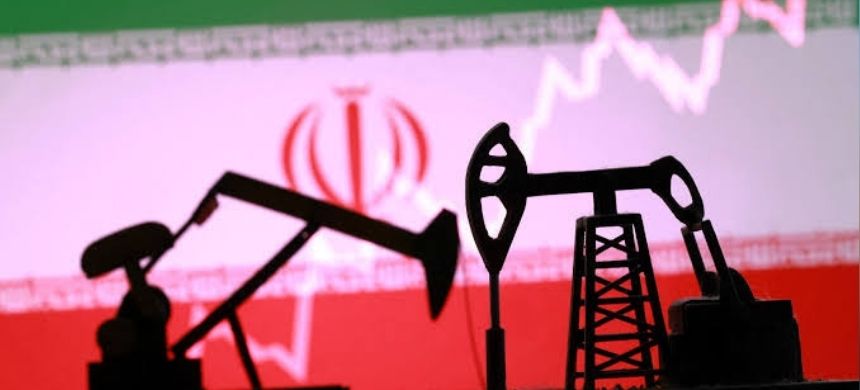
Global oil prices climbed by more than 4% on Monday after renewed military tensions between the United States and Iran raised concerns about the safety of energy shipments through the Strait of Hormuz, one of the world’s most important oil transit routes.
Brent crude futures increased by $3.10, or 4.08%, reaching $79.11 per barrel by 0325 GMT. At the same time, U.S. West Texas Intermediate (WTI) crude gained $2.95, or 4.11%, to trade at $74.36 per barrel. The sharp rise in oil prices reflected growing fears that the conflict could disrupt global energy supplies.
The increase followed a fresh round of military operations carried out by the United States. According to the U.S. Central Command (CENTCOM), American forces conducted precision strikes on July 12 against multiple targets across Iran. The operation aimed to weaken Iran’s ability to launch attacks on international shipping moving through the Strait of Hormuz.
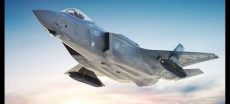
CENTCOM stated that the strikes targeted Iranian air-defense systems, coastal radar facilities, missile and drone capabilities, and small naval boats. The operation involved fighter aircraft, naval vessels, one-way attack drones, and, for the first time, one-way attack sea drones.
The Strait of Hormuz remains one of the world’s most strategically important maritime routes, carrying a significant share of global oil exports. Although Iran borders the waterway, it does not have sole control over the international shipping lane.
The U.S. military said its forces remain ready to protect commercial vessels and ensure freedom of navigation despite what it described as continued threats, harassment, and aggressive actions by Iran in the region.
Meanwhile, regional tensions continued to rise after the Islamic Revolutionary Guard Corps (IRGC) claimed it had launched attacks targeting U.S. military bases in Kuwait, Jordan, and Bahrain. The claims further heightened concerns about the possibility of a wider conflict across the Middle East.
In Bahrain, authorities activated missile warning sirens for the second time after Iran reportedly launched retaliatory strikes. The escalating military situation has increased uncertainty in global energy markets, with investors closely monitoring developments that could further influence oil prices and disrupt international trade routes.