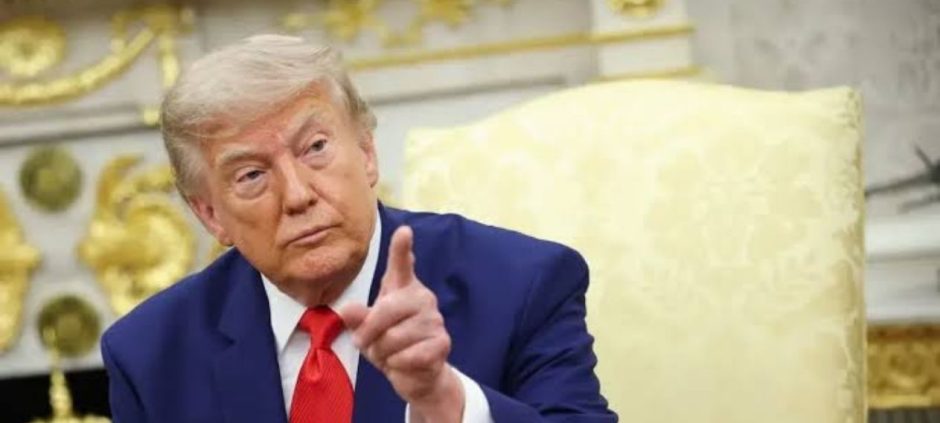
US President Donald Trump has announced that his administration will begin a Section 301 investigation into the European Union. The move comes after the EU imposed an €890 million fine on Google for alleged violations of digital competition rules.
Donald Trump accused the European Union of unfairly targeting American technology companies. He said the investigation could lead to new tariffs on European goods if the administration determines that the bloc’s policies negatively affect US businesses.
Trump shared his position on Truth Social and criticized what he described as unfair treatment of American companies. He said the United States would examine actions that he believes place additional pressure on US businesses and taxpayers.
The Section 301 investigation will be conducted under the Trade Act of 1974. The law allows the US Trade Representative to review foreign policies or practices that may restrict or harm American commerce.
If officials find that a foreign practice is unreasonable or discriminatory, the US government can consider trade actions. These actions may include tariffs or other economic measures.
However, the investigation does not immediately cancel the EU’s penalty against Google. Any possible tariffs would only be considered after the review process is completed.
The latest move follows criticism from US Trade Representative Jamieson Greer. He previously raised concerns about the European Commission’s decision against Google and its possible impact on US companies operating in Europe.
Why Did the EU Fine Google?
The European Commission issued the €890 million penalty after finding that Google breached rules under the Digital Markets Act.
EU regulators said Google gave priority to its own services, including shopping and hotel features, in search results. They argued that this reduced opportunities for competing services.
The commission also said Google Play limited app developers by restricting how they informed users about alternative purchasing options outside the platform.
The Digital Markets Act became active in 2022. It regulates major technology companies classified as digital gatekeepers and aims to promote fair competition.
The EU has previously used these rules against other major technology firms, including Apple and Meta.
Growing US-EU Trade Tensions
The decision by Donald Trump to investigate the EU adds further pressure to relations between Washington and Brussels. Both sides are already dealing with disagreements over trade policies and technology regulations.
The Trump administration has increasingly relied on Section 301 and other trade laws for possible tariff actions. These measures come after legal challenges against some previous tariff decisions.
The European Union has defended its digital regulations. Officials say the rules are designed to protect competition and consumer choice rather than target American companies.
No tariff amount has been announced so far. The US administration has also not provided a timeline for completing the Section 301 investigation.
|In other related news also read Binance Chief Zhao Pardoned by Donald Trump
The outcome of the review could have wider effects on US-EU economic relations, especially in the technology sector. The dispute highlights ongoing disagreements over how major digital companies should be regulated globally.