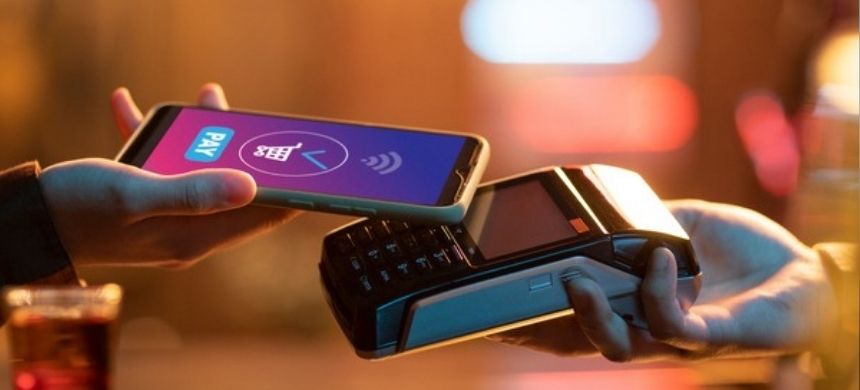
The Punjab government has introduced a new digital payment tax policy aimed at encouraging cashless transactions by offering significant tax incentives to customers. Under the revised system, people who pay for restaurant and hotel services using credit cards, debit cards, or other electronic methods will benefit from a lower tax rate compared to those who choose to pay in cash.
According to the Punjab Revenue Authority (PRA), taxes collected through digital payment methods, including card and e-payment transactions, will be transferred directly into the government treasury. Officials say the move is designed to improve transparency, strengthen tax collection, and promote the use of digital financial services across the province.
The new taxation policy also introduces revised tax rates for several service sectors. A five percent tax has been imposed on beauty parlors, salons, fashion designers, cosmetic surgery, plastic surgery, and skin and laser treatment services. The government believes these changes will help streamline the taxation system while expanding the formal economy.
In addition, an eight percent tax will now apply to services such as event management companies, tour operators, gyms, fitness centers, and laundry businesses. These sectors have been included in the updated tax framework as part of broader efforts to improve revenue collection.
The biggest incentive under the new policy is for restaurants and hotels. Customers who make payments in cash will continue to pay a 16 percent tax. However, those who use digital payment options, including credit cards, debit cards, or other electronic channels, will pay only an 8 percent tax. This effectively provides a 50 percent tax discount for customers who choose digital transactions instead of cash.
The Punjab Revenue Authority has encouraged citizens to support the initiative by using digital payment methods whenever possible. The authority has also urged the public to report any restaurant or food business that refuses to issue a proper receipt after a transaction. Officials believe stricter enforcement and greater public cooperation will improve tax compliance and create a more transparent business environment throughout Punjab.
The introduction of the digital payment policy marks another step in the province’s efforts to modernize its tax system, encourage electronic transactions, and reduce reliance on cash-based payments.
Also Read: CDA Unveils Online Property Tax Payment Service for Islamabad Residents