The Balochistan government has approved a series of education reforms aimed at improving literacy, enhancing learning facilities, and creating a more inclusive environment for students across the province. The decisions were taken during a high-level meeting chaired by Chief Minister Sarfraz Bugti.
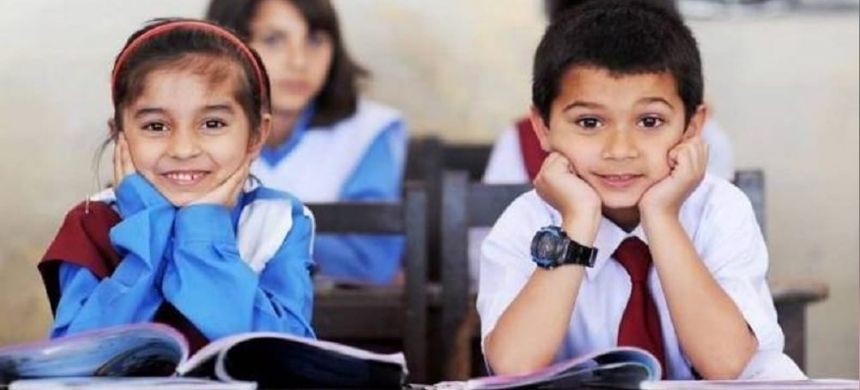
One of the most notable reforms concerns the school uniform policy at the primary level. The meeting approved the removal of the mandatory uniform requirement for young students, making it easier for families to send their children to school. Authorities also agreed to allow boys and girls to study together in the same primary schools as part of efforts to improve access to education.
Officials revealed that a proposal to declare primary schools “gender-free” will be presented before the provincial cabinet for formal approval. The initiative is intended to encourage enrollment and provide equal educational opportunities for children across Balochistan.
To address low literacy rates, the government has decided to introduce a double-shift system in 900 schools throughout the province. The meeting also approved an increase in salaries for teachers working under the National Commission for Human Development (NCHD), whose pay scales had remained unchanged for years.
The Secretary of School Education informed participants that additional classrooms would be built in around 3,000 single-room schools over the next year. Furthermore, standardized reading and writing materials will be introduced in government schools to improve educational quality and ensure consistency in learning outcomes.
Chief Minister Sarfraz Bugti also announced the end of the traditional “taat culture” in public schools. He directed authorities to provide desks to all functioning schools so that students no longer have to sit on the floor during lessons. He emphasized that every child deserves a dignified learning environment.
The meeting also discussed broader development plans for the upcoming budget, focusing on education, healthcare, and public safety. The chief minister stressed that improving children’s confidence, dignity, and educational opportunities remains a top priority for the provincial government.