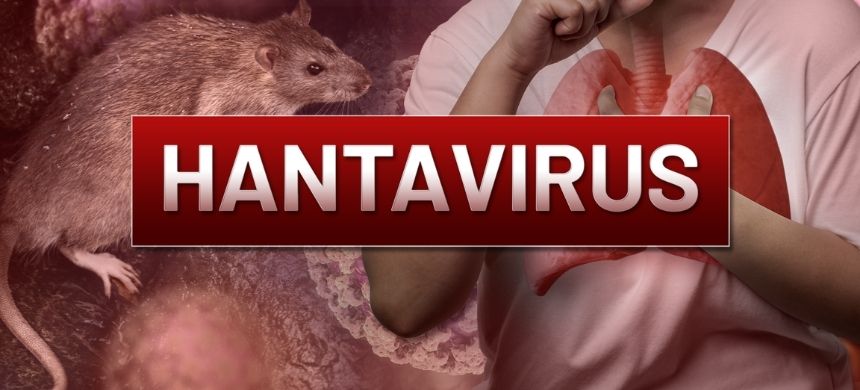
A recent Hantavirus outbreak linked to a cruise ship has sparked global concern about rodent-borne diseases and the risks associated with viral infections transmitted through animals.
Following the outbreak, the World Health Organization (WHO) shared important information to help people better understand the virus and protect themselves from infection.
In an explanatory video posted on X, the WHO stated that hantaviruses are zoonotic viruses that naturally infect rodents and can occasionally spread to humans.
What is Hantavirus?
Hantaviruses are a family of viruses commonly found in certain rodent species across Europe, Asia, and the Americas. Humans can become infected through exposure to infected rodents. The severity and type of illness caused by the virus can vary depending on the specific strain and geographic region.
How does Hantavirus spread?
The virus is most commonly transmitted through contact with infected rodents or exposure to their urine, saliva, or droppings. People may also become infected by inhaling contaminated particles in the air.
Although rare, limited human-to-human transmission has also been recorded in some outbreaks involving specific strains of the virus.
Early symptoms of Hantavirus
According to health experts, early symptoms can resemble common viral illnesses and may appear between one and eight weeks after exposure.
Common symptoms include:
- Fever
- Headache
- Muscle pain
- Stomach pain
- Nausea
- Vomiting
In certain cases, the virus can lead to severe respiratory complications and serious illness.
How to prevent Hantavirus
Health authorities say several preventive measures can help reduce the risk of infection, including:
- Keeping homes and workplaces clean
- Sealing holes or openings where rodents may enter
- Properly storing food items
- Using safe cleaning methods when dealing with rodent droppings or contaminated areas
The WHO noted that there is currently no approved antiviral treatment or vaccine specifically for Hantavirus. However, early diagnosis and proper supportive medical care can significantly improve survival chances and help manage severe symptoms effectively.
Also Read: WHO Issues Global Warning over Rising Hantavirus Cases