Transport fares and freight charges have increased across Pakistan after a sharp rise in the Petrol Price. The Pakistan Goods Transport Alliance announced a 10 percent increase in rates. The decision comes as transporters face higher fuel and operational costs.
According to the alliance, the latest increase in the Petrol Price has made it difficult for transporters to continue operations at previous rates. Malik Shehzad Awan, president of the alliance, said the hike was unavoidable. He added that rising fuel costs are putting pressure on businesses and workers.
The federal government recently increased petrol and diesel prices by Rs26.77 per litre. This move has further impacted transporters and consumers. As a result, the Petrol Price in Pakistan has reached Rs393.35 per litre. High-speed diesel is now priced at Rs380.19 per litre.
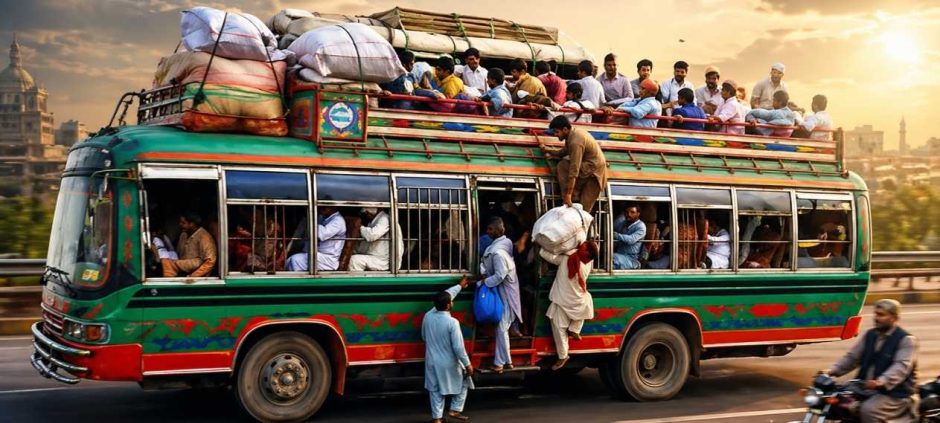
Transporters say fuel is a major part of their expenses. Any increase in fuel prices directly affects freight and passenger fares. The alliance stated that the latest adjustment was necessary to manage rising costs. Without it, many operators would struggle to stay in business.
Experts believe the increase in the Petrol Price will have wider economic effects. Higher transport costs often lead to an increase in the price of goods. This includes food items, daily essentials, and industrial supplies. Consumers are likely to feel the impact in the coming weeks.
Petrol is widely used by motorcycles and small vehicles. This means daily commuters will face higher travel expenses. Diesel, on the other hand, is essential for goods transport and agriculture. Its price increase can raise the cost of food and other products.
Officials warn that the recent surge may trigger further inflation. Many households are already dealing with rising living costs. The new rates could add more financial pressure on middle- and lower-income groups.
Malik Shehzad Awan also criticized repeated fuel price hikes. He said such policies can increase unemployment and slow economic activity. However, he maintained that transporters had no choice but to revise fares.
The government has not announced any relief measures yet. However, discussions on managing inflation and fuel pricing continue. Analysts say stability in the Petrol Price will be important to control rising costs.
In other news read more about: Petrol Levy Raised to Rs107.38 per Litre, Fuel Prices Surge Across Pakistan
Overall, the latest increase highlights the strong link between fuel prices and the economy. As transport costs rise, their effects are expected to spread across multiple sectors in Pakistan.