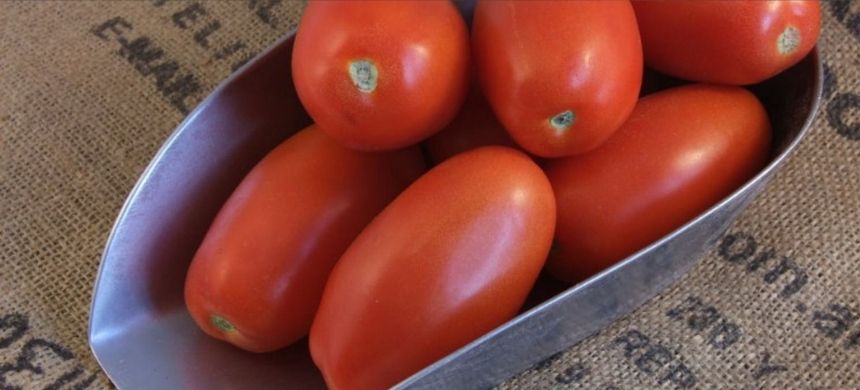
Tomato prices have increased significantly in Karachi, with the retail rate climbing to Rs300 per kilogram due to a seasonal decline in supply. The shortage has affected local markets, forcing consumers to pay much higher prices for one of the country’s most commonly used vegetables.
Former Karachi Chamber of Commerce and Industry (KCCI) Vice President Younus Soomro said preparations for the next tomato crop are already underway in Sindh. According to him, tomato seedlings are ready, and cultivation is expected to begin during July. However, he cautioned that the ongoing monsoon season could damage between 10 and 20 percent of the crop, a risk that farmers regularly face during planting.
He explained that tomato cultivation usually continues until November, while the crop remains available in the market until April. During May and June, prices generally remain stable because of sufficient supply. However, the seasonal gap before the arrival of the new crop has resulted in the current shortage and sharp rise in tomato prices.
Soomro said imported tomatoes from Iran are expected to help bridge the supply gap until locally grown produce reaches markets. He added that Sindh has the potential to produce tomatoes throughout the year if controlled-environment farming is introduced on a larger scale.
According to him, the Karachi Chamber is currently discussing plans with the Sindh government to promote modern agricultural techniques. He believes that if the government provides a favorable investment environment, private investors will be willing to invest in advanced farming projects that can improve production.
Soomro also suggested replacing subsidized loan schemes with partnership-based investment models, allowing investors and farmers to share both profits and losses through a corporate structure.
He warned that future food shortages could become a serious challenge if agricultural production is not increased. He stressed that expanding modern farming methods would help stabilize prices, improve food security, and ensure a consistent supply of tomatoes and other essential vegetables throughout the year.