Tensions between the United States and Iran remain high despite the ongoing ceasefire, while Saudi Arabia is reportedly urging Washington in private discussions to reconsider its blockade strategy and instead return to diplomatic negotiations. Riyadh fears that continued escalation could trigger a chain reaction capable of disrupting global energy routes and severely impacting oil supplies worldwide.
Following earlier disruptions that made the Strait of Hormuz unusable, Saudi Arabia redirected its crude oil exports through the Red Sea port of Yanbu, allowing production to recover to nearly seven million barrels per day. However, officials warn that this alternative route is increasingly vulnerable and could be jeopardized at any moment.
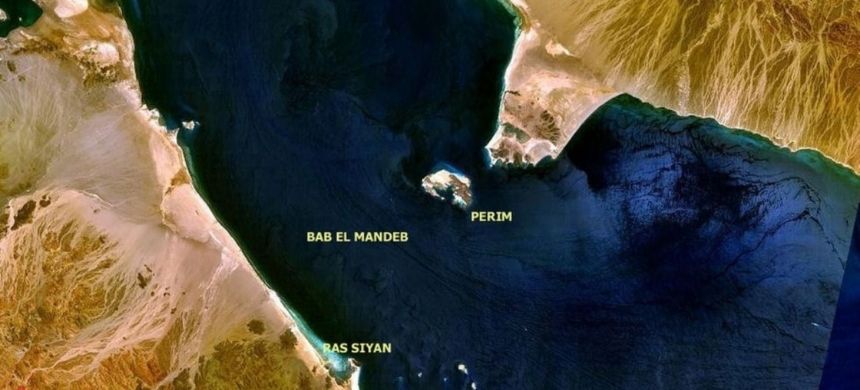
Iran has reportedly hinted at further escalation. A senior Iranian foreign policy adviser warned that the Bab el-Mandeb Strait is considered strategically similar to the Strait of Hormuz and could be disrupted if tensions worsen. This suggests that Tehran may not need direct confrontation with Saudi Arabia, as allied groups in the region could influence the situation.
Saudi officials claim they have received assurances from Yemeni factions that Saudi vessels will not be targeted while passing through the Bab el-Mandeb route. However, they also acknowledge that these assurances are fragile, and any signal from Iran could quickly change the situation on the ground.
The US blockade aims to restrict Iran’s oil revenue, but Tehran is believed to possess a counter-strategy that could threaten Saudi export routes in response. A simultaneous disruption of both the Strait of Hormuz and the Bab el-Mandeb would have severe global consequences.
Such a scenario could leave a significant portion of Gulf oil production unable to reach international markets, leading to supply shortages, sharp price increases, and widespread economic instability.
Meanwhile, reports suggest that the United States and Iran are considering another round of direct talks, possibly before the current two-week ceasefire expires. Several potential locations, including Islamabad, are reportedly under discussion for the high-level meeting, with mediators indicating that both sides have agreed in principle to resume negotiations.
Read more: Oil Prices Could Spike Amid Strait of Hormuz Disruptions