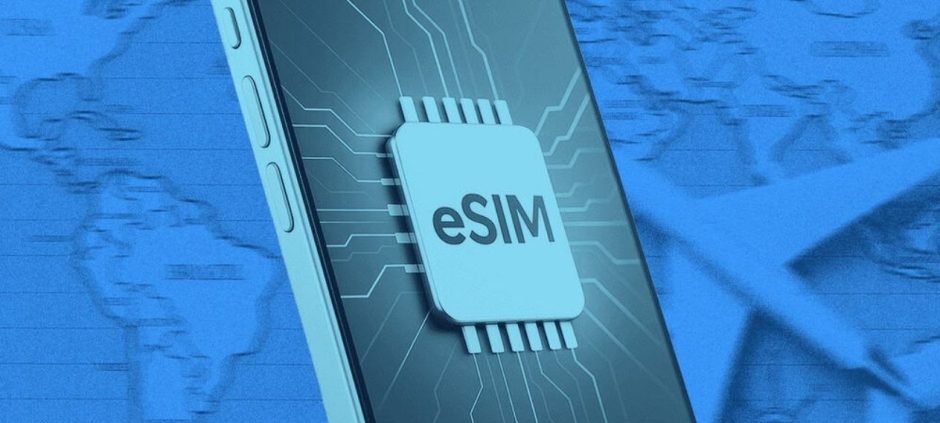
The PTA is working with mobile network operators to reduce eSIM prices in Pakistan. The move aims to encourage more users to switch to digital SIM technology and support wider adoption across the country.
PTA Chairman Major General (R) Hafeez Ur Rehman shared the update while briefing the Senate Standing Committee on Cabinet Secretariat. He said discussions are currently underway with mobile operators to lower the existing eSIM charges.
At present, customers pay around Rs. 2,000 for an eSIM. According to the PTA, the proposed reduction could bring the price down to between Rs. 1,000 and Rs. 1,500. This would represent a price cut of up to 50 percent.
The chairman said the lower pricing is expected to encourage more consumers to choose eSIM services. He added that increased demand could help reduce prices even further in the future as adoption grows.
The PTA believes that making eSIMs more affordable will support Pakistan’s ongoing digital transformation. Lower prices may also encourage smartphone users to adopt newer mobile technologies without the need for a physical SIM card.
During the meeting, the PTA chairman also addressed concerns related to taxes on mobile phones. He clarified that the regulator does not impose taxes on imported or locally manufactured devices.
According to him, the responsibility for setting and collecting mobile phone taxes lies with the Federal Board of Revenue (FBR). The PTA’s role is limited to regulating the country’s telecommunications sector and supporting its development.
The chairman also informed the committee that Pakistan now manufactures around 25 million mobile phones every year. This reflects the continued growth of the local mobile manufacturing industry.
However, he noted that premium smartphone brands such as Samsung and Apple are mostly imported into Pakistan. These imported devices are subject to the applicable government taxes and duties.
The PTA chairman also raised concerns about the impact of higher taxes on smartphone usage. He warned that expensive mobile devices could slow the adoption of advanced technologies, including 5G services.
He explained that wider access to affordable smartphones is important for expanding future mobile networks. If taxes remain high, fewer consumers may upgrade to 5G-compatible devices, which could affect the rollout and use of next-generation mobile services.
The regulator continues to engage with mobile operators to improve digital connectivity and make new technologies more accessible. Reducing eSIM prices is one of the measures being considered to increase adoption and support the country’s digital economy.
In other related news also read PTA Confirms Internet Restored Across Pakistan After Fault
With discussions still in progress, consumers may soon benefit from lower eSIM prices if the proposal is finalized. The initiative reflects the PTA’s broader efforts to promote digital services, improve connectivity, and prepare Pakistan for future technological advancements.