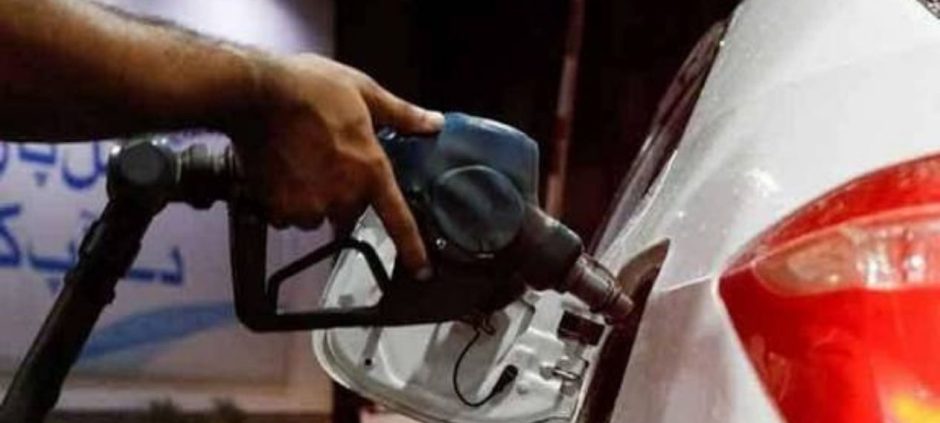
The government has defended the recent increase in the Diesel Levy, saying it is not a new tax but a gradual return to the level approved in the federal budget. Finance Minister’s Adviser Khurram Shehzad explained that the adjustment is part of a planned fiscal strategy and should be viewed as a normalization of a temporary reduction.
Khurram Shehzad shared his comments in a post on X while responding to reports about the second consecutive increase in the Diesel Levy. He said the recent changes have been misunderstood and clarified that the levy remains lower than it was before the Gulf crisis.
According to the adviser, the government had temporarily reduced the levy when international diesel prices increased sharply. The purpose of that decision was to protect consumers from the full impact of rising global fuel costs. He said the temporary reduction helped reduce the financial burden on transporters, farmers, and businesses that depend heavily on diesel.
Shehzad explained that the government did not pass the entire increase in international fuel prices on to consumers during that period. Instead, it lowered the petroleum levy to provide temporary relief while global oil markets remained under pressure.
He said the current increase is being introduced because international oil prices have started to decline. As market conditions improve, the government believes it is appropriate to gradually restore the levy to its original budgeted level.
The adviser noted that the National Assembly approved revenue estimates for the current fiscal year based on an average petroleum levy of Rs. 80 per liter on both petrol and diesel. He said these revenue projections are important because they help finance government spending planned under the annual budget.
According to Shehzad, maintaining these revenue targets is necessary to support fiscal stability. He warned that collecting less revenue than expected would increase the fiscal deficit and create additional financial pressure on the economy.
He stressed that the recent Diesel Levy adjustments should not be considered an unexpected or arbitrary tax increase. Instead, he described them as a phased restoration of a levy that had previously been reduced due to exceptional global circumstances.
The adviser also explained that continuing the temporary reduction despite lower international oil prices would reduce government revenue without a strong economic justification. He said such a policy could make it more difficult for the government to meet its financial commitments.
Fiscal experts often note that petroleum levy collections play an important role in government revenue. These funds are used to support public spending and help manage the country’s budget requirements.
The government believes that gradually restoring the Diesel Levy will allow it to maintain fiscal discipline while avoiding sudden changes in fuel pricing policy. Officials argue that a phased approach provides greater stability for both consumers and the national economy.
The latest clarification comes as fuel prices remain an important issue for businesses and households across Pakistan. Transport companies, farmers, and industries closely monitor changes in diesel prices because fuel costs directly affect transportation and production expenses.
In other related news also read Pakistan to Introduce Daily Petrol and Diesel Prices
With international oil prices easing, the government says restoring the Diesel Levy to its budgeted level is a necessary financial measure. Officials maintain that the decision supports long-term fiscal stability while reflecting changing conditions in the global energy market.