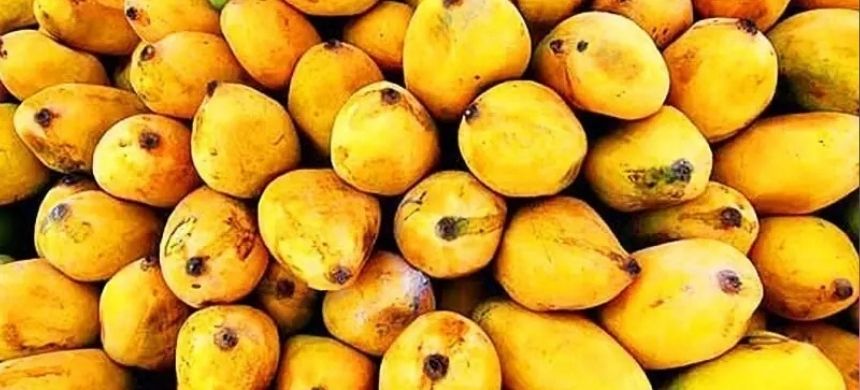
Pakistan’s mango season has arrived later than expected this year, while production levels have also declined due to unfavorable weather conditions and rising export challenges. Industry experts estimate that national mango output may fall by nearly 20 percent compared to last year, raising concerns among growers, exporters, and traders.
According to stakeholders in the fruit industry, unusual climate patterns during the flowering period damaged crop development in several mango-producing regions. As a result, Pakistan’s total mango production is now expected to remain around 1.5 million tonnes, compared to nearly 1.8 million tonnes recorded last season. Despite the decline in production, the total area under mango cultivation has remained almost unchanged at approximately 160,000 hectares across the country.
The mango season also experienced delays because of cooler temperatures and increased rainfall during March and April. Traditionally, harvesting for local markets begins in the final days of April. However, this year, the harvesting process started during the first week of May. Export activities have also been pushed back, with shipments now likely to begin from June 1 instead of around May 20.
Early-producing areas in Sindh, including Mirpurkhas, Hyderabad, and Tando Allahyar, have reported average crop yields this season. In contrast, major mango-producing districts of Punjab such as Multan, Rahim Yar Khan, Muzaffargarh, and Shujaabad are witnessing significantly lower production levels.
Exporters have warned that regional tensions and increasing transportation costs could create further difficulties for overseas shipments. Border closures have disrupted trade routes to Afghanistan, while tensions near the Strait of Hormuz have increased freight charges and reduced shipping availability.
Industry representatives also highlighted concerns regarding air cargo operations. Exporters mainly depend on Middle Eastern airlines for mango shipments to Europe and the United Kingdom. However, limited cargo space and reduced flight frequency are making export planning more complicated this year.
Despite lower production, exporters believe international prices may not rise significantly because demand in Pakistan’s traditional export markets has weakened in recent months.
Read more: Thousands Of Mango Orchard Acres Destroyed By Recent Floods