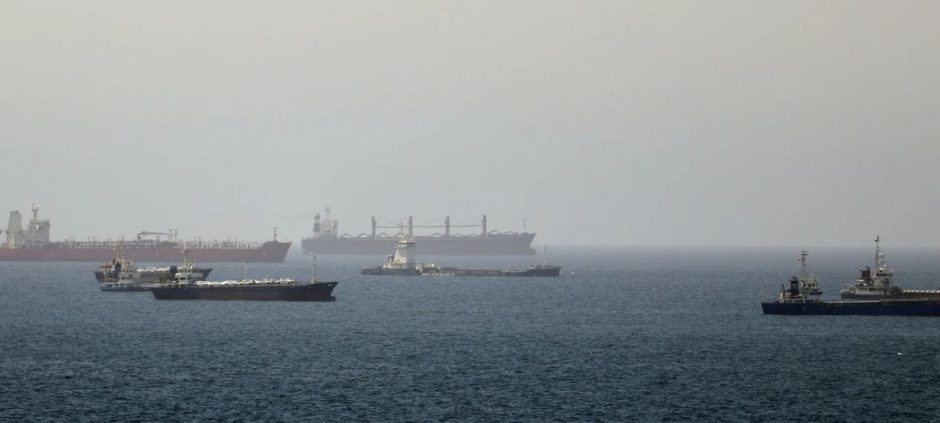
Oil prices climbed by as much as 1.5% after reports that Iran fired missiles at two commercial vessels in the Strait of Hormuz, damaging both ships without causing any casualties. The incident raised fresh concerns about maritime security in one of the world’s most important energy corridors, increasing fears of possible disruptions to global oil supplies.
Following the reports, Brent crude rose by around 1.5% to trade above $68 per barrel as energy markets reacted to the growing geopolitical tensions. Investors closely monitored developments in the region, where any threat to shipping routes can quickly affect global oil prices and energy markets.
According to reports, the vessels were sailing along a US-approved maritime corridor near Oman, an area where Iran had previously warned commercial ships not to operate. The reported missile strikes were attributed to Iran’s Islamic Revolutionary Guard Corps (IRGC), following renewed statements from Tehran that shipping routes in the Strait of Hormuz should not be changed without Iran’s approval.
The United Kingdom Maritime Trade Operations (UKMTO) confirmed that a southbound oil tanker was struck on its port side by an unidentified projectile about eight nautical miles, or approximately 15 kilometers, east of Limah, Oman. The impact caused a fire onboard the vessel, but authorities said there were no injuries among the crew and no environmental damage was reported.
Reports also noted that it was not immediately possible to independently verify whether the tanker identified by UKMTO was one of the two commercial vessels mentioned in the initial reports. Meanwhile, the United States Central Command had not issued an official statement regarding the reported incident at the time of reporting.
The reported attack comes despite a temporary ceasefire that included measures aimed at protecting commercial shipping following recent military tensions in the region. The Strait of Hormuz remains one of the world’s most important maritime chokepoints, handling nearly one-fifth of global oil consumption. Any disruption to shipping through the strategic waterway has the potential to impact global energy supplies and drive further volatility in international oil markets.