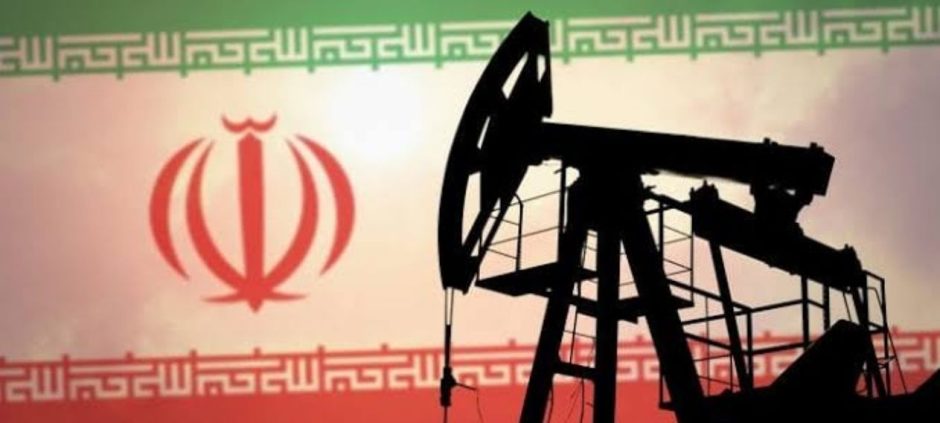
Global oil prices tumbled by more than 5 percent on Monday after the United States and Iran paused military attacks, easing immediate fears of supply disruptions that had driven crude prices to multi-month highs during two weeks of escalating conflict.
The decline came as investors reacted positively to signs of de-escalation between Washington and Tehran, raising hopes that one of the world’s most critical oil-producing regions may avoid a prolonged conflict capable of disrupting global energy supplies.
In early Asian trading, West Texas Intermediate (WTI) crude fell 5.39 percent to $84.47 per barrel, while Brent crude, the international benchmark, dropped 5.15 percent to $91.80 per barrel. The sharp decline followed a period of intense buying that had pushed Brent crude above $100 per barrel amid growing fears of a wider regional war.
Oil prices had surged in recent weeks after military exchanges between the United States and Iran heightened concerns over possible disruptions to shipments passing through the Strait of Hormuz, one of the world’s busiest energy trade routes. Nearly one-fifth of global oil supplies pass through the strategic waterway, making any threat to its security a major concern for international energy markets.
The latest price drop followed Washington’s decision to temporarily suspend its bombing campaign against Iran. Speaking to CBS News’ Face the Nation, United States Ambassador to the United Nations Mike Waltz said the pause was intended to provide an opportunity for diplomacy while emphasizing that additional American military assets had been deployed to the region should negotiations fail.
Iran also signaled its willingness to avoid further escalation. Foreign Ministry spokesperson Esmaeil Baghaei said recent discussions with an Omani delegation had been constructive and reflected encouraging progress toward reducing tensions.
An Iranian official also told Reuters that Tehran’s current approach remained based on the principle of “attack for attack,” indicating that Iran would refrain from launching further military operations as long as the United States maintained its pause in hostilities.
The easing of tensions prompted traders to unwind positions accumulated during the recent rally, resulting in a broad selloff across oil markets. Market analysts said much of the geopolitical risk premium built into crude prices has now been reduced, although uncertainty remains high.
Despite Monday’s sharp decline, analysts cautioned that oil prices could remain volatile in the coming weeks. They noted that a sustained fall in prices would depend on the full restoration of commercial shipping through both the Strait of Hormuz and the Red Sea, where security concerns continue to disrupt maritime traffic.
Energy experts also pointed to several factors that may have encouraged the temporary pause in military operations. These include the completion of initial US military objectives, rising political pressure ahead of America’s upcoming midterm elections, and growing concerns over higher gasoline prices affecting American consumers.
Investors are also closely monitoring diplomatic developments. According to Reuters, Pakistan is once again exploring ways to help revive stalled negotiations between the United States and Iran as part of a China-backed diplomatic initiative aimed at lowering regional tensions and restoring long-term stability.
While financial markets welcomed the latest signs of de-escalation, analysts warned that any renewed military confrontation or disruption to oil exports from the Gulf could quickly reverse Monday’s losses. As a result, global energy markets are expected to remain highly sensitive to developments between Washington and Tehran over the coming weeks
Global oil prices fell more than 5% after the United States and Iran paused military attacks, easing fears of crude supply disruptions and boosting hopes for renewed diplomacy.
Also read: Oil Climbs 2% as US-Iran Tensions Intensify