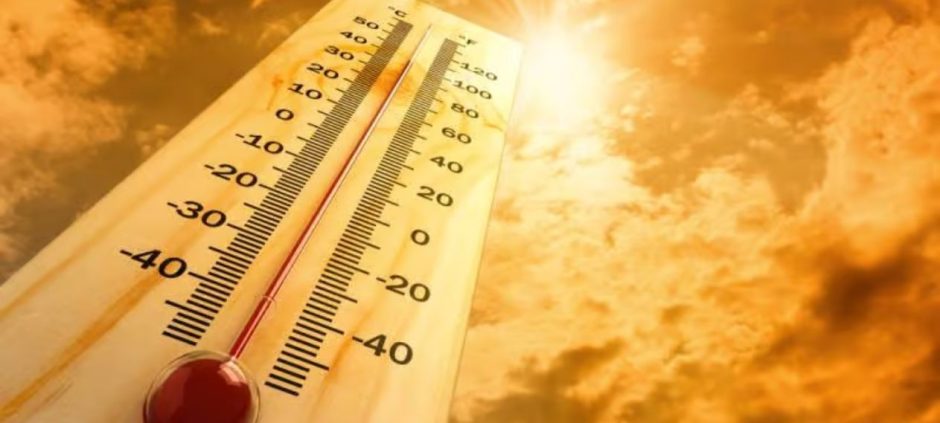
The NDMA has issued a severe heatwave alert for several regions of Pakistan until May 5. The warning highlights rising temperatures and possible health risks across multiple provinces.
According to the NDMA, severe heatwave conditions are expected in parts of Sindh, southern Punjab, and Balochistan. Authorities said temperatures may remain dangerously high during this period.
Major cities including Karachi, Hyderabad, Sukkur, Larkana, Jacobabad, and Bahawalpur will experience intense heat. The NDMA has advised residents to take extra precautions.
The heatwave is also expected in Rahim Yar Khan, Multan, and Turbat. In addition, central Punjab and parts of Khyber Pakhtunkhwa may also face a sharp rise in temperature.
Officials warned that extreme heat could increase the risk of heatstroke, dehydration, and other health issues. People have been urged to avoid unnecessary outdoor activities during peak sunlight hours.
The NDMA has appealed to citizens to drink plenty of water and stay hydrated. It also advised people to avoid direct exposure to sunlight for long periods.
To manage the situation, the NDMA has instructed relevant institutions to activate heatwave response plans. Cooling centres are being set up in affected areas to provide relief.
Hospitals and medical facilities have been placed on alert. Emergency arrangements are being reviewed to handle any increase in heat-related patients.
Provincial and district administrations have also been directed to stay prepared. They are expected to monitor conditions closely and respond quickly to emergencies.
The NDMA said coordination between departments is important during extreme weather conditions. All agencies have been asked to ensure timely response and public safety measures.
Officials emphasized that precautionary steps can reduce health risks during the heatwave. Citizens are encouraged to follow official guidelines strictly.
In other related news also read NDMA Warns of Heavy Rain and Snowfall
The NDMA continues to monitor weather conditions across the country. It has urged the public to stay updated and follow safety instructions until temperatures return to normal levels.