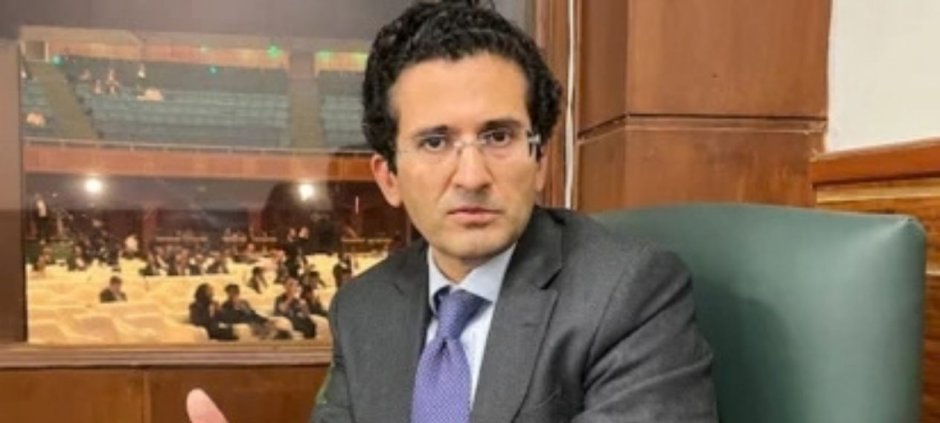
Petroleum Minister Ali Pervaiz Malik has said that daily changes in petroleum prices are necessary to reduce the risk of large-scale fuel hoarding in Pakistan.
Speaking at a meeting of the National Assembly Standing Committee on Petroleum, Malik explained the government’s position on frequent changes in petrol and diesel prices and responded to questions from lawmakers regarding the petroleum levy and deregulation of fuel prices.
The minister said that the current pricing mechanism is intended to address market conditions and prevent traders or consumers from accumulating large quantities of petroleum products ahead of expected price increases.
Daily Price Changes Aimed at Preventing Hoarding
According to Ali Pervaiz Malik, changing petroleum prices on a daily basis helps reduce the possibility of large-scale hoarding.
He explained that if prices remained unchanged for longer periods despite fluctuations in the international market, there could be an incentive for some market participants to purchase and store fuel in anticipation of higher prices.
Daily adjustments can reduce that incentive by keeping domestic prices more closely aligned with changing market conditions.
Malik made the remarks while responding to questions from members of the National Assembly committee about the government’s petroleum pricing policy.
Petroleum Levy Questioned by Lawmakers
Committee member Asad Alam Niazi questioned the government’s decision to impose a petroleum levy on petrol and diesel.
In response, Malik said the petroleum levy was beyond his individual authority and that any changes to the levy would require consultation with international parties.
The minister also pointed to the levy target included in the federal budget.
He said a specific petroleum levy target had been set as part of the budget and noted that members of the National Assembly had voted for the financial plan.
The discussion highlighted the relationship between petroleum prices, government revenue and commitments associated with the country’s broader economic framework.
Levy Changes Would Require Consultation
Malik reiterated that the petroleum levy could not simply be changed at the discretion of the petroleum minister.
According to his remarks, any decision to alter the levy would require consultations with relevant international parties.
The levy forms part of the government’s revenue framework and is incorporated into the federal budget.
Any significant change could therefore have implications for projected government revenues and the overall fiscal position.
The minister’s comments came in response to lawmakers seeking clarification about why consumers continue to face petroleum-related charges while international oil prices fluctuate.
Lawmakers Question Fuel Deregulation
Committee member Syed Naveed Qamar also questioned why the government was not moving toward deregulation of petroleum products.
He asked about the criticism faced by the government because of frequent changes in fuel prices and whether deregulation could provide an alternative to the existing pricing mechanism.
Malik responded that the Oil and Gas Regulatory Authority (OGRA) currently determines petroleum prices on a daily basis.
Under the existing arrangement, domestic fuel prices are adjusted according to the applicable pricing mechanism rather than being left entirely to market forces.
Minister Warns of Higher Diesel Prices Under Deregulation
Malik also warned about the potential impact of completely deregulating petroleum products.
He said that if petroleum prices were deregulated under the current circumstances, the price of diesel could reach around Rs600 per litre.
According to the minister, such a sharp increase could create serious disruption and what he described as chaos.
The statement was made during the committee discussion as lawmakers examined the government’s approach to fuel pricing and deregulation.
Impact on Consumers and Businesses
Petroleum prices have a broad impact on Pakistan’s economy because petrol and diesel are essential for transportation, agriculture, logistics and industrial activity.
Changes in fuel prices can therefore affect transportation costs as well as the prices of goods and services that depend on road-based transportation.
Diesel is particularly important for commercial vehicles, agricultural machinery and other sectors that rely heavily on fuel.
For consumers, frequent price changes can make household and business budgeting more difficult, while the government has to balance consumer concerns with revenue requirements and changes in international energy markets.
Government Faces Pricing Challenge
The committee discussion reflects the challenge faced by policymakers in managing petroleum prices in a market where international oil prices, exchange rates, taxation and government levies can all affect the final price paid by consumers.
The government must also consider the potential fiscal impact of reducing petroleum-related revenue.
At the same time, authorities need to ensure that fuel remains available across the country and that market participants do not exploit anticipated price movements through excessive stockpiling.
Malik’s comments suggest that daily price adjustments are being viewed as one mechanism for reducing such risks.
Debate Over Pakistan’s Fuel Pricing System
The discussion in the National Assembly committee is likely to keep attention focused on Pakistan’s petroleum pricing mechanism.
Questions about deregulation, petroleum levies and frequent price revisions remain important for consumers and businesses.
While the petroleum minister defended daily price changes as a way to prevent large-scale hoarding, lawmakers also raised concerns about the impact of the current system and the role of government-imposed levies.
Malik maintained that the petroleum levy is linked to the budget and that changes would require consultation with international parties.
He also argued that complete deregulation could push diesel prices significantly higher under current conditions.
The government will therefore continue to balance fuel availability, market conditions, revenue requirements and consumer concerns as it manages petroleum prices.
Also read: Power Minister Says Night Load Management Cut Electricity Costs