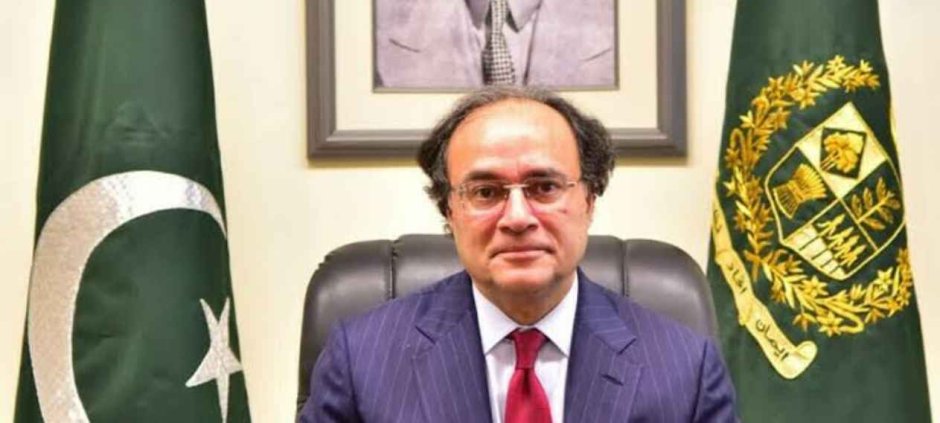
Finance Minister Muhammad Aurangzeb has identified rapid population growth as a major challenge facing Pakistan. He also expressed satisfaction with the State Bank of Pakistan’s (SBP) foreign exchange reserves reaching a record $21.4 billion.
The minister shared these views during a meeting with a Dutch business delegation in Islamabad on Friday. The delegation was led by the Founders Carbon Network (FCN).
The luncheon meeting brought together several senior officials. These included the SBP governor, the Prime Minister’s Adviser on Privatization, the secretary of commerce, and other government representatives.
Finance Minister Calls for Sustainable Economic Growth
The Finance Minister said Pakistan’s improving economic outlook created opportunities for further progress. He stressed the need to turn economic stability into productive investment and higher exports.
He also highlighted the importance of encouraging private-sector-led growth. According to the minister, these steps could help strengthen the country’s economic position and create new business opportunities.
Aurangzeb emphasized that maintaining strong foreign exchange reserves remained essential. He said Pakistan also needed to improve its ability to manage external economic shocks.
Stable reserves can help a country meet its foreign payment obligations. They can also provide support during periods of pressure on the external sector.
Government Outlines Key Economic Priorities
The minister discussed several areas that remain important to the government’s economic agenda. These include fiscal discipline, structural reforms, and wider access to financing.
He also highlighted digitalization as a key priority. The government aims to improve economic processes and support greater efficiency through digital systems.
Aurangzeb called for a shift away from dependence on foreign aid. He stressed the importance of expanding trade and attracting investment to support long-term economic development.
The Finance Minister also emphasized public-private partnerships. He said these partnerships could help mobilize capital and convert investment interest into commercially viable projects.
Such cooperation can support the development of projects while bringing together public resources and private-sector expertise. However, effective implementation and sustainable financing remain important for achieving results.
Population Growth and Climate Change Remain Major Concerns
Aurangzeb identified rapid population growth and climate change as significant long-term challenges for Pakistan. He stressed the need for coordinated reforms to address these issues.
Rapid population growth can increase pressure on public services, infrastructure, employment, and available resources. Climate change also creates risks for economic stability and sustainable development.
The minister’s remarks highlighted the importance of considering these challenges alongside economic reforms. Addressing them will require coordinated efforts across relevant sectors.
Dutch Delegation Discusses Business Opportunities
The Dutch delegation also shared its views on Pakistan’s business environment. Discussions included opportunities to strengthen commercial relations between Pakistan and the Netherlands.
The meeting provided a platform to discuss investment prospects and potential areas of cooperation. Greater commercial engagement could help support trade and private-sector activity between the two countries.
Pakistan’s economic priorities include maintaining financial stability, expanding exports, and attracting investment. The government is also seeking to strengthen resilience against external pressures.
In other related news also read Finance Minister Calls for Climate Funding for Pakistan
The discussions highlighted the importance of combining economic reforms with investment opportunities. They also underscored the need to address long-term challenges while pursuing sustainable growth.