Pakistan’s National Assembly and Senate have approved resolutions supporting the imposition of an emergency in Khyber Pakhtunkhwa (KP). The development has intensified political and constitutional debate over the federal government’s role in the province.
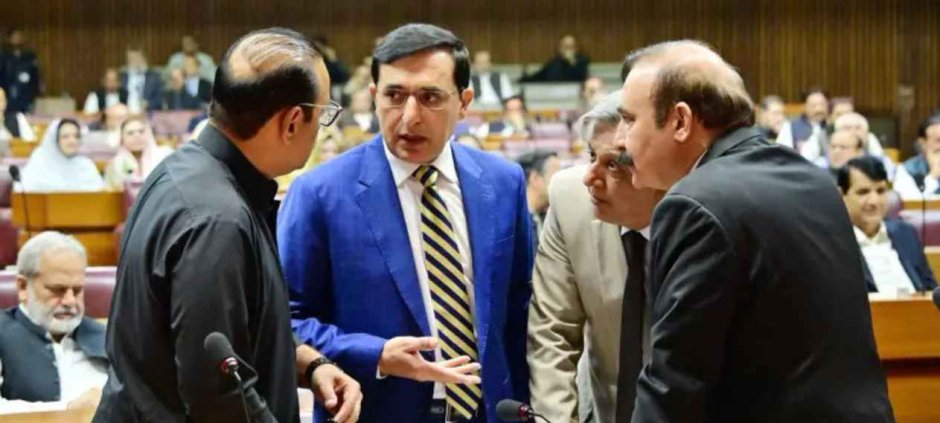
The National Assembly passed the resolution through a majority vote. Federal Minister for Parliamentary Affairs Tariq Fazal Chaudhry presented the resolution before lawmakers.
Opposition members strongly rejected the proposal and raised slogans during the proceedings. Lawmakers from the treasury and opposition benches debated the resolution for more than four hours.
The Senate also approved a resolution concerning the proposed emergency in KP. Following the proceedings, the National Assembly session was adjourned until Friday at 11 am.
Government Cites Security Concerns in KP
The federal government has defended its position by referring to security challenges in KP. These include rising militant violence, cross-border infiltration, and concerns about counterterrorism cooperation.
The government has also raised questions about the PTI-led provincial administration’s cooperation with federal authorities on security matters. Officials supporting the move argue that stronger intervention may be necessary to address the situation.
However, the opposition has challenged the government’s position. PTI has argued that the intervention threatens the authority of the elected provincial government.
The dispute has raised broader questions about provincial autonomy and the relationship between federal and provincial authorities. Political parties remain divided over whether emergency measures are justified under the current circumstances.
President Issues Emergency Proclamation
According to the provided details, President Asif Ali Zardari issued an emergency proclamation on October 11, 2026. The proclamation followed advice from the prime minister and introduced governor’s rule in the province.
Under the announced arrangement, the governor would assume specified provincial executive responsibilities. An 11-member advisory council would support the administration.
The development represents a major change in the province’s governance arrangements. Its implementation and legal effects depend on the relevant constitutional procedures and official orders.
Constitutional Questions Surround Emergency Measures
Several constitutional provisions are relevant to the debate over emergency measures in KP. Article 232 deals with the proclamation of an emergency under specified circumstances.
Article 234 concerns situations involving the failure of constitutional machinery within a province. Article 245 addresses the role of the armed forces in aid of civil power.
The application of these provisions depends on the circumstances and the constitutional process followed. Their interpretation may also become central to legal and political challenges surrounding the intervention.
The approval of parliamentary resolutions has added another dimension to the ongoing dispute. However, the precise legal consequences depend on the applicable constitutional requirements and formal government notifications.
Provincial Autonomy Remains a Key Issue
The situation has highlighted tensions between the federal government and the provincial administration. Supporters of intervention emphasise security concerns, while opponents warn against weakening elected provincial authority.
The debate over KP’s governance is expected to remain politically significant. The central question is whether the measures are necessary to address security challenges or undermine provincial self-government.
In other related news also read KP Governor’s Rule: What Happens Next?
Further developments will depend on official decisions, constitutional procedures, and the response of political stakeholders.