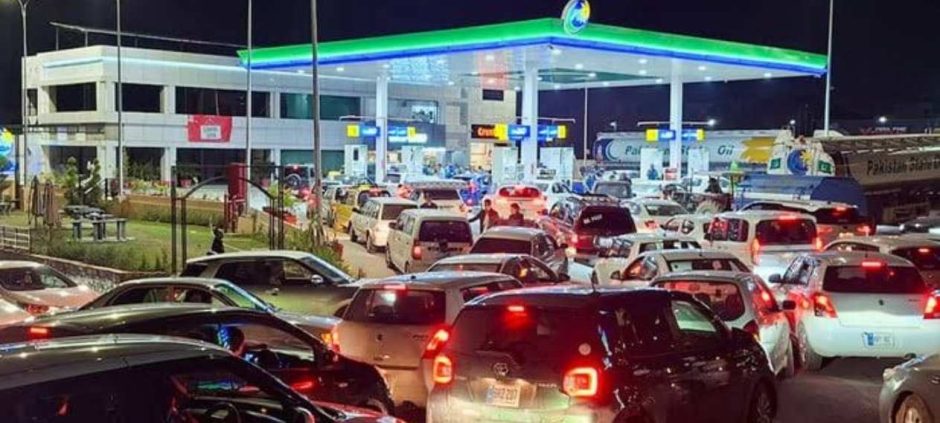
Pakistanis are once again facing higher fuel costs as official documents reveal that more than Rs125 from every litre of petrol sold at fuel stations goes towards taxes, levies and distribution-related charges rather than the actual cost of the fuel. The figures highlight the significant gap between petrol’s base price and the amount consumers ultimately pay at the pump.
According to the official pricing data, the base cost of petrol is Rs209.76 per litre, while the government-fixed retail price stands at Rs335.18 per litre. This means motorists pay an additional Rs125.95 per litre through a combination of petroleum levies, customs duties, freight adjustments and industry margins.
The largest portion of the additional charges is the Petroleum Development Levy (PDL), which amounts to Rs80 per litre. Consumers also pay a Rs5 Climate Support Levy, Rs17.28 in customs duty and Rs7.16 under the Inland Freight Equalization Margin (IFEM). In addition, Rs7.87 per litre is allocated as the margin for Oil Marketing Companies (OMCs), while fuel dealers receive Rs8.64 per litre.
A similar pricing structure applies to high-speed diesel (HSD). Official data shows the base cost of diesel is Rs270.92 per litre, but the retail price has been fixed at Rs383.46 per litre. As a result, consumers pay an additional Rs112.54 per litre in various levies, duties and distribution margins.
The diesel price includes a Petroleum Development Levy of Rs70.82 per litre, along with a Rs5 Climate Support Levy. Other components include Rs15.68 in customs duty, Rs4.53 under IFEM, Rs7.87 as the OMC margin and Rs8.64 allocated to fuel dealers.
The pricing breakdown shows that a substantial portion of the amount paid by motorists is made up of government-imposed charges and supply chain costs instead of the actual value of the fuel itself. These additional costs continue to play a significant role in determining retail fuel prices across the country.
Fuel prices remain one of the biggest contributors to inflation in Pakistan, directly affecting transportation costs, food prices and the overall cost of living. Any increase in petrol or diesel prices has a widespread impact on businesses and households, making fuel pricing a major public concern.
The latest figures are expected to fuel further debate over the government’s reliance on fuel-related levies as a source of revenue. With consumers already dealing with rising living expenses, the breakdown highlights the growing financial burden placed on motorists every time fuel prices are revised.
Also read: Petrol Dealers Divided Over Planned Nationwide Strike