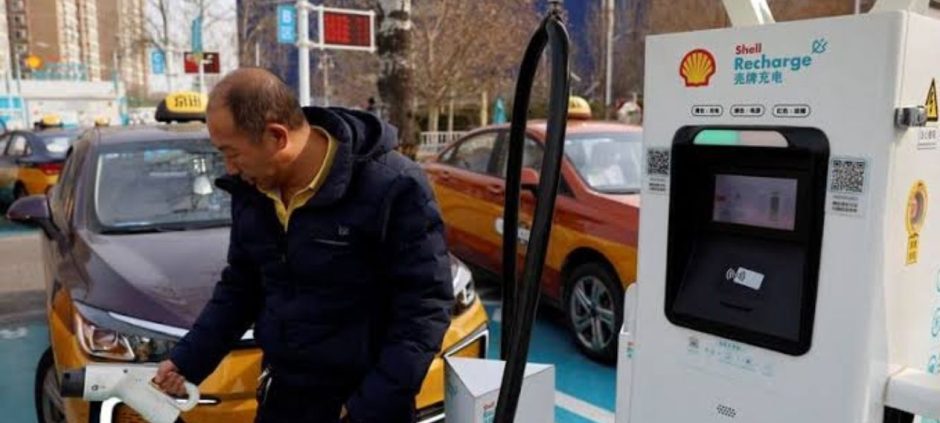
China’s rapidly expanding fleet of electric taxis and ride-hailing vehicles is helping the country cushion the impact of global oil price shocks, with more commuters choosing affordable electric-powered transport over driving petrol-powered cars.
Government data showed that people made 3.05 billion taxi and ride-hailing trips in May, marking a 6% increase compared with the same period last year. The rise has coincided with higher global fuel prices following tensions in the Middle East, including the conflict involving Iran.
Analysts say China’s transport system has created a unique situation where taxi fares continue to fall despite rising gasoline prices. An oversupply of ride-hailing drivers, coupled with the growing availability of low-cost electric vehicles (EVs), has intensified competition and reduced fares, encouraging more people to use taxis instead of their own vehicles.
A part-time ride-hailing driver in Beijing told Reuters that fares have declined by 10% to 15% over the past six months as competition among drivers continues to grow.
At the same time, many motorists have taken to social media to say that using taxis has become cheaper than driving their own petrol-powered cars, especially after accounting for fuel and parking costs.
China’s shift toward electric mobility is significantly reducing its reliance on oil. Around half of the country’s 1.3 million taxis are now fully electric, while major cities have almost entirely electrified their taxi fleets.
Ride-hailing giant Didi also reported adding another two million hybrid and electric vehicles last year, increasing its non-fossil fuel fleet to eight million vehicles. Electric vehicles now account for approximately 75% of the total distance covered on the platform.
As a result, China’s gasoline consumption dropped 10% and diesel use declined 14% in May compared with a year earlier, despite continued growth in road freight and record travel during the May Day holiday.
Greenpeace estimates that 90% of taxi and ride-hailing mileage in China will be electric by 2035.
The growing adoption of electric transport has also contributed to a sharp decline in China’s oil imports, which fell 41% in June compared with the previous year. Analysts believe the country’s reduced dependence on oil has helped ease pressure on global energy markets during a period of geopolitical uncertainty.
While lower fuel prices may encourage some motorists to return to conventional vehicles, experts believe China’s transition toward electric transport is now firmly established and will continue reshaping the country’s energy consumption in the years ahead.
Also read: Pakistan Astronauts Selected for China Human Space Program