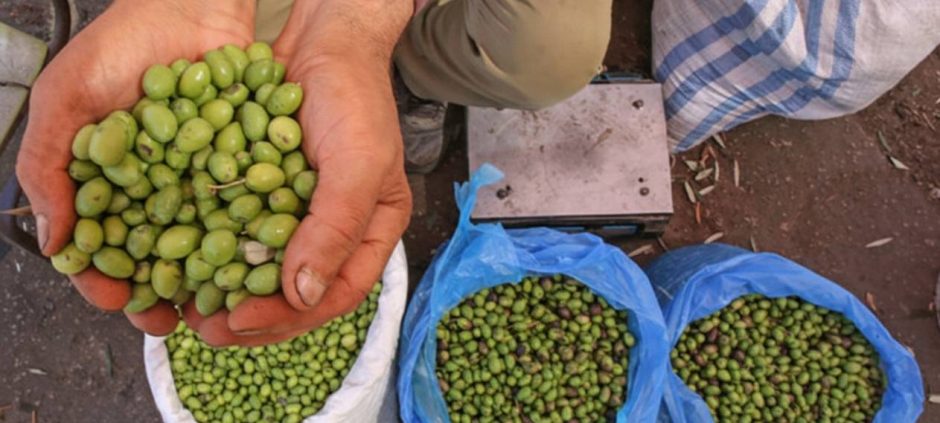
Pakistan is taking significant steps to strengthen its olive sector by using advanced molecular science and expanding collaboration with international partners. The initiative aims to improve olive quality, increase production, and reduce the country’s heavy reliance on imported edible oil. Officials say the strategy aligns with long-term agricultural sustainability goals.
The government, in partnership with research institutions, has introduced modern molecular techniques to identify high-yield and climate-resilient olive varieties. These scientific tools help researchers select plants best suited to Pakistan’s diverse soil and weather conditions. As a result, farmers receive healthier saplings with better survival and productivity rates.
Global collaboration is a key pillar of this effort, with Pakistan working closely with olive-producing countries such as Italy, Spain, and Turkey. These partnerships focus on knowledge sharing, training programs, and technology transfer. International experts are also assisting in improving nursery standards, harvesting methods, and oil extraction techniques.
Officials believe the use of molecular science will help standardize olive cultivation across regions like Potohar, Balochistan, and Khyber Pakhtunkhwa. Improved genetic profiling allows scientists to monitor disease resistance and oil quality at early stages. This reduces crop losses and ensures consistent production for local and export markets.
The expanding olive sector is expected to create new economic opportunities for rural communities. Farmers are being encouraged to shift toward olive farming through subsidies, technical support, and awareness campaigns. Value-added processing units and modern mills are also being established to increase farmer incomes and job creation.
Experts say Pakistan’s olive initiative could transform the country into a regional olive oil producer within the next decade. By combining science-driven research with global cooperation, the sector is moving toward sustainability and competitiveness. The move is also seen as an important step toward food security and agricultural modernization.
Also read: Pakistani Intelligence Detains ISIS-K Spokesperson in Major Operation