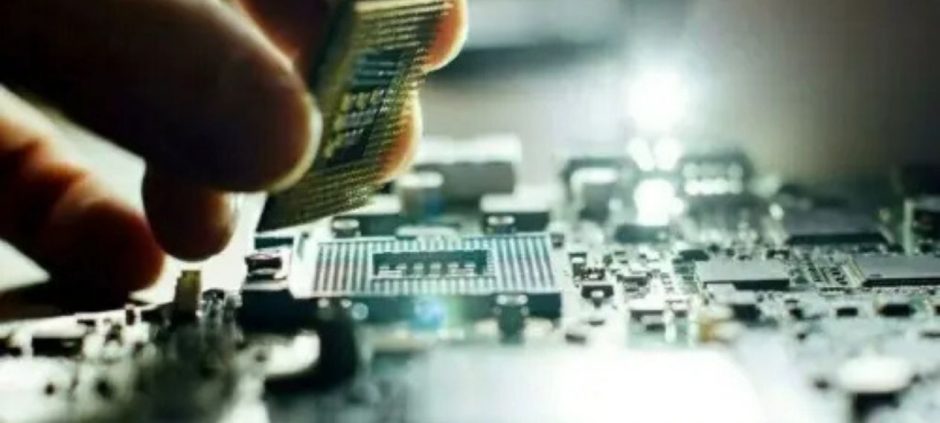
Global prices for hardware components are surging, increasing the cost of computers, laptops, tablets, and other devices worldwide. Experts warn that this could slow digital adoption in Pakistan and affect spending by both individuals and businesses.
Key hardware components, such as RAM and SSDs, have seen price increases of 100% and 500% in 2025. Demand for these parts is rising due to their use in AI-based data centres. Prices are expected to continue increasing in 2026, putting additional pressure on local consumers and organizations.
Khushnood Aftab Shaikh, CEO of Viper Computer, emphasized the importance of local hardware production. He said imported devices are becoming expensive, increasing costs for public and private organizations and raising Pakistan’s import bill. Shaikh stressed that local production is essential for affordable and efficient digitization.
Locally-produced hardware devices are cheaper, support technology transfer, conserve foreign exchange, and help develop skilled human resources. Shaikh warned that high device costs could reduce purchasing power among schools, freelancers, and organizations seeking digital solutions.
Despite Pakistan having over a dozen PC assemblers in the past 15 years, most shut down due to a lack of supportive policies. Currently, only a few companies produce Pakistani-branded hardware, while government policies continue to favor imports.
Recent initiatives, such as the Google Chromebook assembly facility, aim to expand local hardware production and train skilled workers. Viper Computer has also increased production capacity in Lahore and Karachi to meet growing demand.
Muhammad Umair Nizam, Senior Vice Chairman of P@SHA, urged the government to develop a comprehensive hardware policy. He said a strong local hardware industry would provide affordable devices, attract investment, and promote technology adoption.
In other related news also read Samsung to develop its own hardware to rival Apple.
Experts believe that a long-term strategy for hardware development could reduce imports, provide more affordable devices, and strengthen Pakistan’s technology sector, supporting faster digital growth nationwide.